When it comes to caring for kidneys, picking the right hemoDialysis Catheter is a pretty big deal for getting good treatment results. Dr. Emily Carter from Renal Health Solutions often points out, “The right catheter choice can really make a difference in how well patients do.” That kind of highlights just how important it is to get this part right.
Basically, if someone has chronic kidney disease and needs dialysis, a hemodialysis catheter is kind of essential because it helps blood flow smoothly during treatments. But, fair warning—these catheters aren’t without their risks. If not managed carefully, they can cause infections or other issues. That’s why it’s so important to keep improving how these catheters are made, whether that’s through better design or materials, to keep folks safer.
Both patients and healthcare providers really need to weigh their options carefully here. Not all hemodialysis catheters are the same, and clinical trials often show some designs tend to perform better than others. Still, many catheters out there are not quite hitting the mark in terms of performance. The good news is, ongoing research is working hard to fix these problems and make the experience better for patients overall.

Overview of Hemodialysis and Its Importance in Kidney Treatment
Hemodialysis plays a crucial role in treating patients with kidney failure. It acts as an artificial kidney, filtering waste and excess fluids from the blood. According to the National Kidney Foundation, over 500,000 Americans rely on hemodialysis for kidney support. This treatment is necessary when kidneys can no longer perform their job effectively.
A well-placed hemodialysis catheter is vital for successful treatment. The right catheter can reduce complications such as infections and blood clots. A report from the American Journal of Kidney Diseases indicates that the choice of catheter impacts patient outcomes significantly. Inadequate placement can lead to longer treatment times and poorer overall health.
Tip: Ensure your catheter is cared for properly to prevent infections. Clean the site regularly and watch for any signs of redness or swelling.
Patients often have concerns about the procedure. They may fear pain or complications. It's important to address these worries. Open communication with healthcare providers can make a difference. Discussing potential side effects helps patients feel more prepared.
Tip: Keep a diary of your experiences during treatment. This can provide insight into your health and help improve your care plan.
Understanding Hemodialysis Catheters and Their Role in Treatment
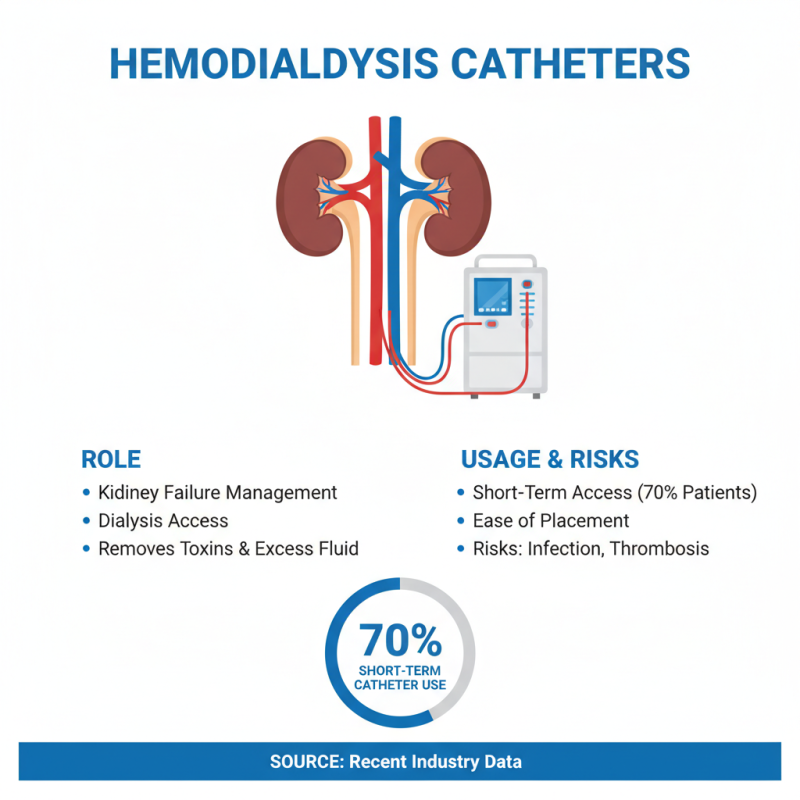
Hemodialysis catheters play a crucial role in managing patients with kidney failure. These catheters provide the necessary access for dialysis treatment, allowing for the removal of toxins and excess fluids. According to recent industry data, around 70% of patients undergoing hemodialysis opt for catheter-based access in the short term due to ease of placement. However, this option comes with risks, including infection and thrombosis.
Catheters can be categorized into two types: tunneled and non-tunneled. Tunneled Catheters offer a long-term solution, reducing infection rates by as much as 30% compared to non-tunneled variants. Yet, they can pose complications, leading to up to 25% of patients experiencing mechanical issues such as malpositioning. Moreover, some studies indicate that catheter-related bloodstream infections occur in about 5-6% of cases annually. Understanding these risks is essential to making informed decisions.
Patients need thorough education about catheter maintenance and the importance of reporting any signs of complications. Regular follow-ups can help prevent issues that arise from improper catheter care. The effectiveness of treatment is not solely based on the catheter type but also on patient compliance and healthcare provider support. Keeping these factors in mind can significantly impact treatment outcomes.
Types of Hemodialysis Catheters: Features and Benefits
When considering hemodialysis catheters, it's essential to understand the different types available. The most common options are tunneled and non-tunneled catheters. Tunneled catheters provide long-term access, ideal for patients needing ongoing dialysis. A study from the American Journal of Kidney Diseases shows that approximately 70% of patients prefer tunneled options for their durability. These catheters are inserted beneath the skin, reducing the risk of infection.
Non-tunneled catheters are used for short-term dialysis. They are easier to place and suitable for immediate use. However, they carry a higher infection risk. Reports indicate that the infection rates for non-tunneled catheters can be as high as 20%. This makes them less favorable for long-term patients.
Another type, the temporary catheter, serves as an emergency solution. While effective, they are often uncomfortably large and may cause discomfort. Often, patients and healthcare providers reflect on the balance between immediate needs and long-term safety. Each catheter type has its features and benefits, making the choice critical for effective treatment.
Selection Criteria for Choosing the Best Catheter for Patients
Choosing the right hemodialysis catheter is crucial for patient care. Several factors come into play. A key consideration is the catheter's material. Silicone and polyurethane are common options. Both materials have their pros and cons.According to a report by the National Kidney Foundation, Silicone Catheters usually minimize thrombosis risk. However, polyurethane catheters tend to be more durable. The choice depends on individual patient needs.
Tip: Always assess the patient's vein condition before selecting a catheter. This can greatly affect insertion and long-term use.
Another important factor is catheter length. A study published in the Journal of Vascular Access shows that shorter catheters reduce infection rates. However, if the catheter is too short, it can damage the blood vessels. Balancing these factors is critical for effective hemodialysis treatment.
Tip: Monitor patients for signs of infection or discomfort after catheter insertion. Adjustments might be necessary to improve outcomes.
Lastly, always consider the patient's lifestyle and needs. Some patients may require longer wear times. Others might prioritize ease of use. Understanding each patient's specific situation can lead to better treatment success.
Complications Associated with Hemodialysis Catheters
Complications associated with hemodialysis catheters can greatly impact patient care. Infection is one of the most common risks. Catheters provide a pathway for bacteria to enter the bloodstream. This can lead to severe complications, including sepsis. It's crucial to monitor for signs of infection, such as redness or swelling around the catheter site.
Tip: Always maintain proper hygiene when handling catheters. Simple handwashing and sterile techniques can reduce infection rates.
Clots can also form in the catheter, disrupting blood flow. Blockages may require additional procedures to clear. Patients might experience discomfort or pain due to mechanical issues. It's vital to communicate any unusual symptoms to healthcare providers immediately.
Tip: Regular check-ups can help prevent many complications. Discuss any concerns with your medical team to develop a personalized care plan. Regular monitoring makes a difference.
Best Hemodialysis Catheter Options for Effective Treatment
This chart illustrates the complications associated with various types of hemodialysis catheters, focusing on factors such as infection rates, thrombosis, and mechanical complications.
Best Practices for Catheter Placement and Maintenance
Proper catheter placement and maintenance are crucial for effective hemodialysis. Studies show that up to 25% of patients experience catheter-related complications. These include infections and thrombosis, which significantly hinder treatment outcomes. The choice of catheter design and placement technique can make a difference. Consider using ultrasound guidance for placement. It improves accuracy and reduces complications.
Regular maintenance is key to preventing infections. Clean techniques when handling the catheter can lower infection rates by 60%. Daily assessments of the catheter site are essential. Any signs of redness or swelling should be addressed promptly. Yet, despite best practices, many healthcare facilities overlook these protocols. Awareness and training are often minimal.
Patients often struggle with catheter care at home. Educating them on proper techniques is as vital as hospital protocols. Ensure they understand the signs of complications. Keeping communication open can facilitate better outcomes. Ongoing training for staff is also necessary. Many healthcare providers need regular refreshers on the latest guidelines. Continuous improvement in these areas is essential for effective treatment.
Best Hemodialysis Catheter Options for Effective Treatment
| Catheter Type | Material | Insertion Technique | Maintenance Tips | Complications |
| Tunneled Catheter | Polyurethane | Surgical | Regular flushing, sterile dressing changes | Infection, thrombosis |
| Non-Tunneled Catheter | Silicone | Seldinger technique | Daily inspection, ensure sterility | Catheter dislodgement, infection |
| Peripherally Inserted Central Catheter (PICC) | Polyurethane/Silicone | Ultrasound-guided | Flush with saline and heparin, regular site care | Phlebitis, occlusion |
| Dual Lumen Catheter | Medical-grade PVC | Percutaneous insertion | Maintaining catheter patency, aseptic technique | Infection, clotting |
Emerging Innovations in Hemodialysis Catheter Technology
Emerging innovations in hemodialysis catheter technology are transforming patient care. Recent studies indicate that over 350,000 patients in the U.S. rely on these catheters for treatment. The need for better solutions is critical. Traditional catheters often lead to complications like infection and thrombosis. The latest catheters focus on minimizing these risks through advanced materials and designs.
New materials like polyurethane and silicone are proving to be effective in reducing infection rates. A 2022 report from a leading dialysis survey highlighted a 30% decrease in catheter-related infections with the use of newer technologies. Additionally, innovations such as antimicrobial coatings are becoming more common. This can significantly enhance the patient experience and outcomes.
However, challenges remain. Some patients experience discomfort or complications with particular designs. There is still a need for standardizing protocols across clinics. Inconsistent application of new technologies could lead to varied patient outcomes. As the industry evolves, continuous evaluation and feedback from healthcare providers are essential to refine these innovations.
Innovative Solutions for Fluid Management: The Role of Pigtail Drainage Catheters in Modern Medicine
In modern medicine, effective fluid management is crucial, particularly in treating patients with fluid collections such as abscesses or cysts. Pigtail drainage catheters emerge as a vital tool in this realm, offering innovative solutions that enhance patient care. These specialized medical devices feature a distinctive pigtail tip that coils into a tight spiral upon insertion, securing the catheter in place and preventing dislodgement. This design not only facilitates optimal drainage but also significantly reduces the risks of accidental removal, making it an essential asset in interventional radiology, urology, and general surgery.
The versatility of pigtail drainage catheters is reflected in their various specifications, catering to different clinical needs. Ranging from 8F to 14F, these models can be tailored to suit various procedures, whether for diagnostic purposes or therapeutic interventions. Their effective drainage capabilities ensure that healthcare professionals can manage fluid accumulation efficiently, thereby improving patient outcomes. The role of pigtail drainage catheters in fluid management exemplifies how innovative medical devices can enhance treatment methodologies and support the modern healthcare landscape.
Conclusion
Hemodialysis catheters play a crucial role in the effective treatment of patients with kidney failure, serving as vital access points for blood circulation during the hemodialysis process. Understanding the different types of hemodialysis catheters, including their features and benefits, is essential for optimizing patient care. Selection criteria should consider the individual patient's needs, potential complications, and the catheter's performance in terms of longevity and ease of use.
Proper placement and maintenance of hemodialysis catheters are critical to preventing complications, which can range from infection to thrombosis. As technology advances, emerging innovations in hemodialysis catheter design promise to enhance their functionality and reduce risks, offering new hope for improved outcomes in kidney treatment. Overall, selecting the best hemodialysis catheter involves a careful assessment of these factors to ensure effective and safe dialysis therapy.