Leave Your Message
0%

In today’s digital world, making sure payments are secure has never been more important. Alex Johnson, a pro from Cvc Lumen, puts it nicely: “Strong security measures are key to keeping customer trust intact.” As online transactions continue to grow, so do the cyber threats trying to exploit them. These cybercriminals are always evolving, coming up with new, clever ways to break into systems.

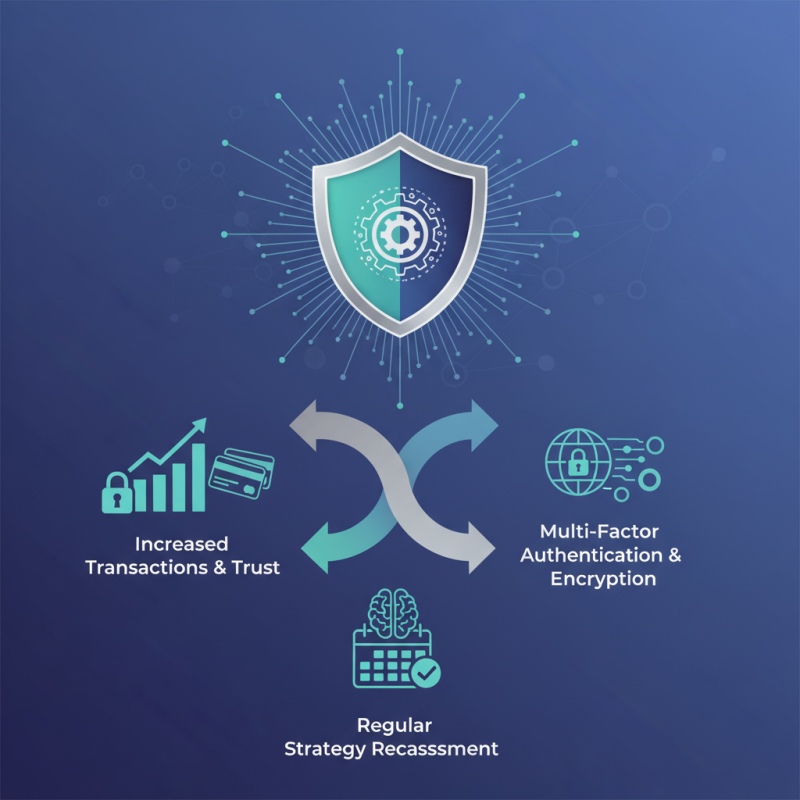
That’s where Cvc best practices really come in handy for businesses. Things like multi-factor authentication can really cut down on fraud, and encrypting transactions helps keep sensitive info under wraps. Still, surprisingly, a lot of companies overlook the basics, which leaves them wide open. The truth is, it’s super important for businesses to review and update their security measures regularly — because cyber threats aren’t going away.

On a more personal note, falling victim to a data breach can have huge emotional impacts. Trust—once lost—can be really hard to regain. Customers count on companies to protect their money and info. Every delay or slip-up can lead to serious consequences. That’s why being proactive isn’t just a good idea anymore — it’s absolutely necessary. Organizations really need to put Cvc best practices at the top of their list if they want to stay safe in this tricky digital landscape.
Cvc Best Practices for Digital Payment Security?

Understanding Digital Payment Security Fundamentals

In today's digital world, payment security is crucial. Understanding fundamental concepts can help mitigate risks associated with online transactions. HTTPS encryption forms the backbone of secure transactions. It protects sensitive data from being intercepted. Yet, many users overlook this basic requirement. This negligence can lead to severe implications.

Another essential aspect is using strong, unique passwords. Weak passwords are easily compromised. It only takes a few seconds for skilled attackers to crack them. Many people reuse passwords across platforms. This habit puts multiple accounts at risk. Implementing features like two-factor authentication can significantly enhance security. Still, some find it inconvenient and might avoid it.

In addition, regular monitoring of transactions is vital. Consumers should frequently check account statements. This helps identify unauthorized activities early. Unfortunately, many people delay this process. They may not realize the urgency in being proactive. The situation becomes dire when security breaches occur. Acute Cvc emphasizes the importance of vigilance and education. Adopting these best practices can cultivate a safer digital payment environment.

CVC Best Practices for Digital Payment Security

Importance of CVC in Ensuring Secure Transactions

Cvc Best Practices for Digital Payment Security?

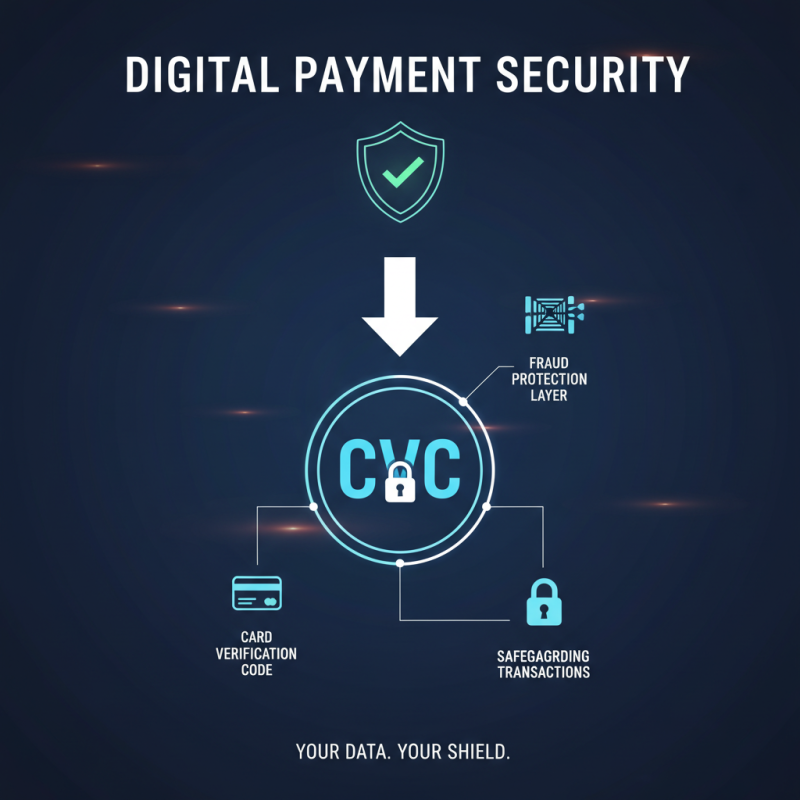
Digital payment security is crucial for today’s transactions. CVC, or Card Verification Code, plays a pivotal role in safeguarding user data. The importance of CVC cannot be overstated. It acts as an additional layer of protection against fraud. While entering a CVC seems simple, many overlook its significance.

When making online purchases, always double-check that the CVC is entered correctly. This reduces the risk of unauthorized transactions. Be cautious of websites that do not request the CVC. Such sites may not prioritize your security. Keeping your card and CVC information private is essential.

Consider using virtual cards with unique CVC codes. They provide an extra measure of security. Ensure that any website you use employs encryption technologies. Look for URLs that start with "https." As you navigate the world of digital payments, remember that even minor oversights can lead to significant consequences. Your safe transactions depend on diligent habits related to your CVC, including for solutions like the Infant Cvc.

Best Practices for CVC Management in E-commerce

In the fast-paced world of e-commerce, managing CVC (Card Verification Code) is crucial for securing online transactions. Each time a consumer makes a purchase, they rely on the safety of their payment information. This trust hinges on how well merchants handle CVC data. Using the "Cuffed Cvc" approach can help streamline best practices in CVC management.

Tips: Always educate your customers about the importance of keeping their CVC codes confidential. Encourage them to avoid saving these codes on untrusted sites. Regularly remind them to update passwords associated with their payment methods. Simple changes in habits can make an enormous difference.

Handling CVC data isn't without its challenges. For instance, merchants need to find a balance between convenience and security. A complicated process may deter customers, while a simple one might leave vulnerabilities. It's a tightrope walk between accessibility and protection. Regular training and updates for staff on security practices are essential, yet they often get overlooked in the hustle of daily operations.

Tips: Use encryption technologies to protect CVC data during transactions. Regular audits can reveal weak points in security practices. Creating a culture of awareness around CVC management can foster better security habits within your team.

Implementing Tokenization for Enhanced Payment Security

Tokenization is a vital method in enhancing digital payment security. It replaces sensitive data like credit card numbers with unique identifiers. These tokens are useless if intercepted by hackers. This creates a safer environment for both businesses and consumers. The actual payment details remain stored securely, reducing the risk of data breaches.

Implementing tokenization requires careful planning. Companies need to ensure their systems can support this technology. Not all existing infrastructures are equipped for tokenization. Some businesses may struggle during the transition. This highlights the need for comprehensive training and testing. Additionally, customer education is crucial. Users should understand how tokenization protects their transactions.

Organizations must also remain vigilant. While tokenization improves security, it is not foolproof. Regular updates and security assessments are necessary. Cyber threats evolve constantly. Therefore, relying entirely on one security measure can create a false sense of security. Balancing tokenization with other security techniques can bolster defenses.

Strategies for Educating Customers on CVC Safety

Cvc Best Practices for Digital Payment Security?

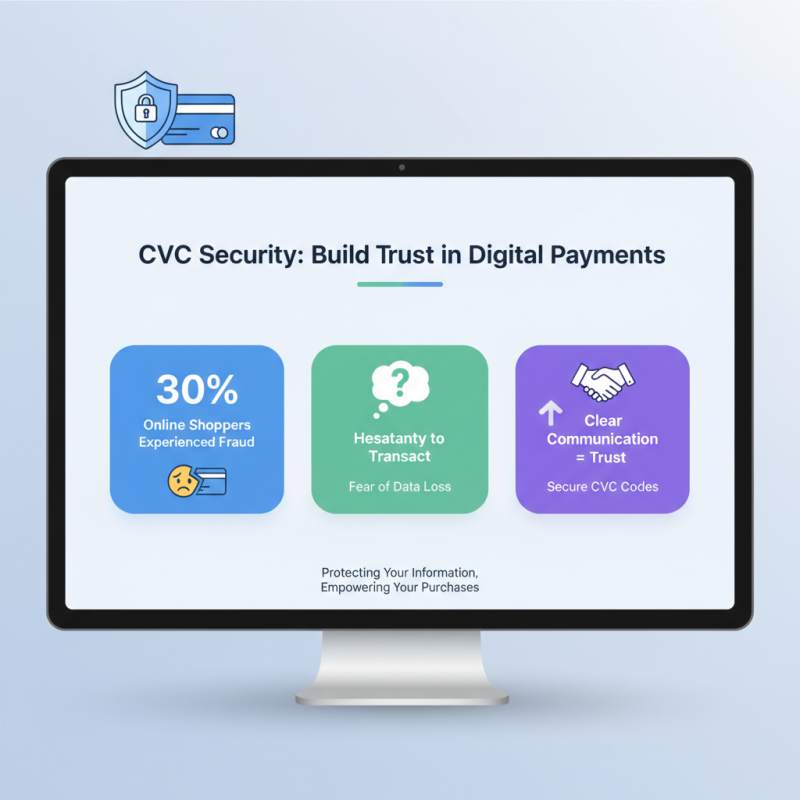
Educating customers about CVC safety is vital in today’s digital payment landscape. Studies show that nearly 30% of online shoppers have experienced fraud. The fear of losing personal information makes them hesitant to complete transactions. Clear communication about how to keep CVC codes secure can build trust.

Many customers still lack a basic understanding of Cvc Access. A survey revealed that only 40% of participants knew the purpose of their CVC code. This gap in knowledge can lead to reckless behavior, such as sharing codes over insecure channels. Users must understand that their CVC is a key piece of information. Regular reminders about safe practices can empower them.

Interactive platforms can also reinforce education. Visual content, such as infographics, can be more effective than text alone. Sharing statistics about CVC misuse may resonate with customers, prompting them to act more cautiously. For example, reports indicate that 60% of breaches come from poor CVC management. Highlighting real stories can make users rethink their habits. Ultimately, proactive education on Cvc Access can significantly enhance security for all users.

Compliance with PCI DSS Standards in Payment Security

Compliance with PCI DSS standards is crucial for ensuring robust digital payment security. According to the latest industry reports, nearly 60% of data breaches stem from non-compliance with PCI DSS guidelines. These standards are designed to safeguard cardholder information during transactions. Organizations that adhere to these protocols can reduce their risk of data breaches significantly.

Regular employee training is essential. Employees handling payment information should understand the importance of compliance. Implementing real-time monitoring can identify suspicious activities quickly. Using encryption for sensitive data adds an extra layer of security. Invest in secure payment gateways; they can mitigate risks associated with digital transactions.

Tip: Always conduct routine security assessments. This helps in identifying vulnerabilities early. An ordinary error, like using outdated software, can lead to disastrous outcomes. Reflect on your current strategies. Is your organization doing enough to meet PCI DSS standards? Pay attention to every detail. In today’s digital landscape, neglecting even a minor aspect can have severe repercussions.

Cvc Best Practices for Digital Payment Security - Compliance with PCI DSS Standards in Payment Security

Best Practice Description Compliance Status Last Updated
Encryption Use strong encryption methods for storing and transmitting cardholder data. Compliant 2023-09-15
Access Control Limit access to cardholder data to only those who need it to perform their job. Compliant 2023-08-30
Regular Audits Conduct regular audits and vulnerability assessments to identify potential risks. In Progress 2023-09-01
Employee Training Provide ongoing training to employees on security awareness and best practices. Compliant 2023-06-25
Tokenization Implement tokenization to replace sensitive data with non-sensitive equivalents. Compliant 2023-09-10

Future Trends in Digital Payment Security and CVC Usage

As digital payments continue to rise, security remains a primary concern. Many users benefit from enhanced CVC practices, but there are areas that require attention. Recent trends show cybercriminals are more sophisticated. They exploit weaknesses in existing systems and user habits. This leads to a call for awareness and improvement in how CVCs are utilized.

With the shift towards mobile wallets, the need for secure CVC usage becomes even more critical. Users must adopt measures like two-factor authentication. Meanwhile, newer technologies, like biometric verification, are on the horizon. However, this raises questions about privacy and data protection. Some practices may inadvertently expose users to risks, highlighting the need for ongoing evaluation.

Moreover, education plays a vital role. Users often overlook basic requirements like updating passwords or enabling alerts. The industry should find ways to make security education more engaging. A proactive approach can prevent misuse and enhance trust in the system. However, as technology evolves, the challenge lies in keeping pace with emerging threats while ensuring user convenience. The journey towards robust digital payment security continues, demanding constant vigilance and adaptation.

FAQS

: What is the purpose of taking the product?

: It's designed to support overall well-being and enhance daily vitality.

How should I take the product?

Follow the recommended dosage on the label. Take it consistently for best results.

Are there any side effects?

Some users report mild digestive discomfort. Listen to your body and adjust if needed.

Can I take this product with other supplements?

Generally, yes, but consult a health professional for personalized advice.

How long until I see results?

Individual results may vary. Some feel a difference within weeks, others may take longer.

What should I do if I miss a dose?

If you miss a dose, take it as soon as you remember. Do not double up.

Is it safe for everyone?

While many can use it safely, pregnant or nursing individuals should seek advice first.

Can it replace a healthy diet?

No, it's a complement. A balanced diet is crucial for optimal health.

What if I experience allergic reactions?

Discontinue use immediately and seek medical attention. Allergies can be serious.

Is it normal to feel unsure about starting it?

Yes, many feel apprehensive. Research and consider your personal health goals.

Conclusion

Digital payment security is increasingly vital as e-commerce continues to grow. The article outlines key practices for safeguarding transactions, emphasizing the importance of Card Verification Code (CVC) in preventing fraud. Effective CVC management involves implementing robust systems that not only protect customer data but also leverage tokenization techniques to enhance security.

Furthermore, educating customers about proper CVC usage is crucial for maintaining safe transactions. Compliance with PCI DSS standards is essential in establishing a secure payment environment. As technology evolves, the future of digital payment security will likely see innovations that further integrate CVC usage in transaction processes, ensuring a safer online shopping experience for consumers.


Emma

Emma

Emma is a dedicated marketing professional currently working at Tianck Medical CO., Ltd., where she tirelessly focuses on enhancing patient outcomes and advancing the healthcare sector. With a profound expertise in the company's precision-engineered medical products, Emma plays a pivotal role in......
Previous Exploring Unique Options for Micro Guide Wire in Global Markets