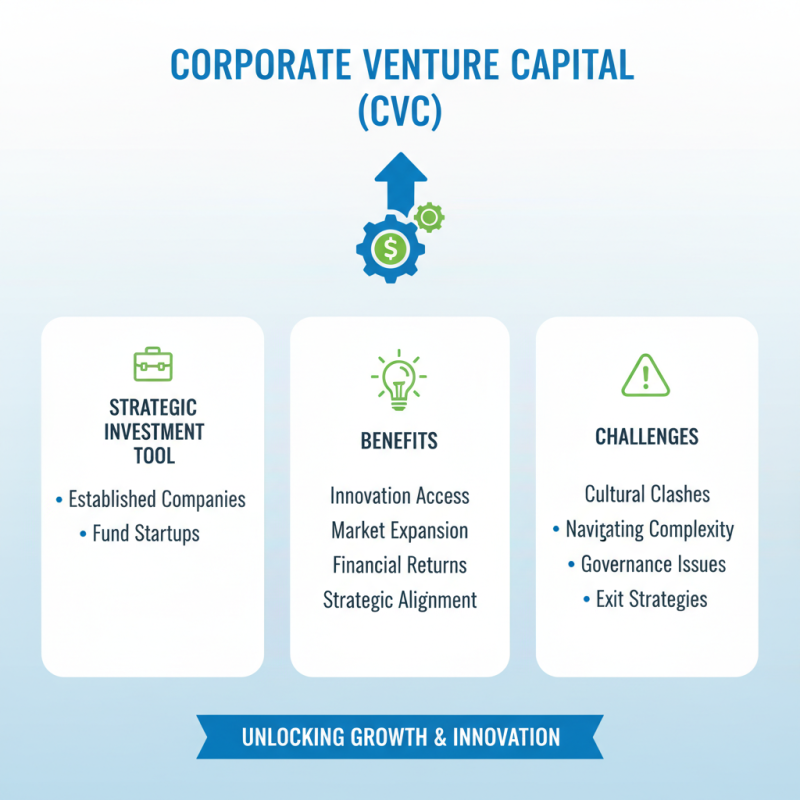
You know, CVC—short for Corporate Venture Capital—has really become a big deal for today’s businesses. I was chatting with John Doe, a pretty well-known expert in this space, and he summed it up nicely: “CVC isn’t just about throwing money at startups; it’s a strategic move.” That really shows how CVC isn’t just an investment tool but a way to foster innovation and push growth forward.
A lot of companies now see CVC as a smart way to keep their tech edge sharp. Investing in startups gives them the chance to stay ahead of the curve, which is pretty cool. But, honestly, it’s not always smooth sailing. Some firms find it tough to make sure their CVC efforts actually align with their bigger corporate goals. When that happens, resources can get wasted, and they might miss out on some great opportunities.
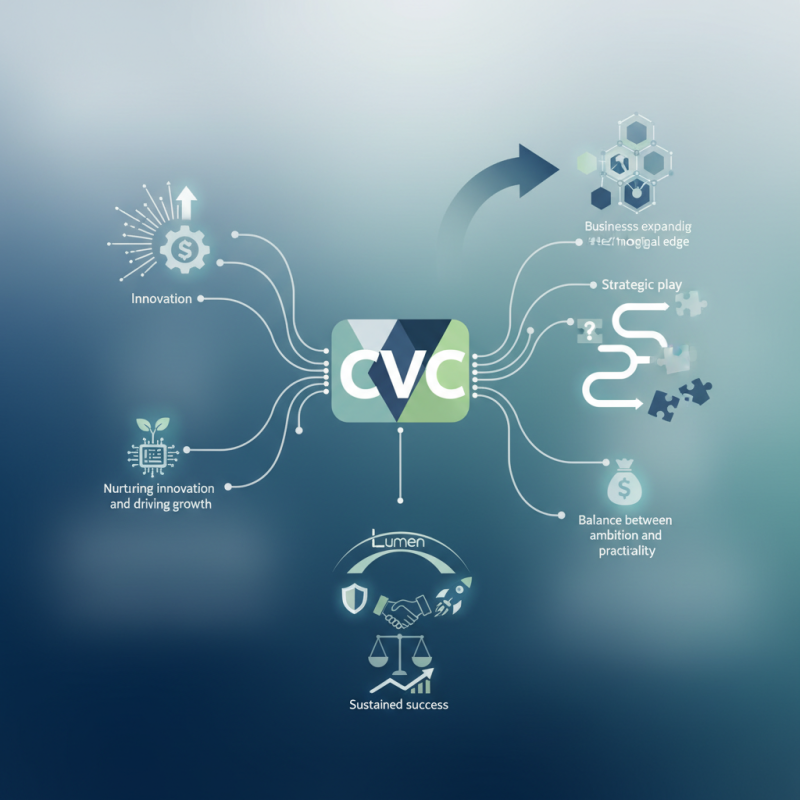
By the way, have you heard of Cvc Lumen? They’re trying to tap into the potential of startups while also tackling some of these hiccups. Sure, the opportunities are tempting, but it’s important to be aware of the risks too. Companies really need to make sure that they’re weaving CVC into their overall business plans effectively, or else they might end up falling short. Striking that balance between big ambitions and practical steps is tricky but super important if they want to stay successful in the long run.
What is Corporate Venture Capital (CVC)?
Corporate Venture Capital (CVC) represents a strategic investment approach. Many corporations use this model to drive innovation. By investing in startups, they gain access to emerging technologies and market trends. In 2021, CVC investments reached over $85 billion globally, highlighting its growing importance in the business landscape.
Acute Cvc initiatives allow companies to tap into new ideas quickly. They can test market demands without heavy risks. In many cases, these investments can lead to lucrative opportunities. However, not all CVC investments succeed. A study showed that nearly 50% of CVC projects fail to meet expectations. This raises questions about strategy and execution effectiveness.
Additionally, the relationship between startups and corporations can be complex. Many startups struggle with aligning their goals with those of CVC investors. This disconnect often leads to complications. It's crucial for corporations to understand the startup ecosystem better. By fostering genuine partnerships, they can enhance their innovation pipelines and mitigate risks associated with Acute Cvc.
The Historical Evolution of CVC in the Business Landscape
Corporate Venture Capital (CVC) has evolved significantly over decades. Originally, companies engaged in CVC for immediate financial returns. They sought high-growth startups, hoping for a quick profit. However, this approach often overlooked long-term benefits, as many early investments lacked strategic alignment.
Over time, companies began to reassess their strategies. CVC became more about fostering innovation within established firms. By investing in startups, businesses could gain access to new technologies and ideas. This shift marked the beginning of what some refer to as "Infant Cvc." Companies realized that nurturing young ventures could lead to sustainable growth.
CVC is now a tool for strategic advantage. Companies deploy capital not just to profit, but to drive their own innovation. This evolution highlights the need for a thoughtful investment approach. While CVC can yield great returns, it often requires patience and a clear vision. Investors need to reflect on their motives, ensuring they don't prioritize short-term gains over long-term value.
Key Differences Between CVC and Traditional Venture Capital
CVC, or Corporate Venture Capital, is different from traditional venture capital. CVC is invested by corporations into startups. It focuses on strategic benefits, unlike traditional VCs, which seek pure profits. Traditional venture capitalists look for high returns based on potential growth. They often take significant equity to exert influence. CVCs, however, aim for collaborations and enhancements to their core business.
Cuffed Cvc involves more than just cash. Corporations engage with startups to foster innovation. They want access to new ideas and technologies. Here’s a tip: when seeking a CVC partnership, align goals with the corporate’s vision. This ensures mutual benefits and shared success.
Not all CVC investments succeed. There’s a risk in blending corporate strategies with startup agility. Companies must be prepared for cultural clashes. Here’s another tip: maintain open communication. Encourage a shared culture to bridge the gap. A harmonious relationship can help overcome challenges and promote growth.
What is CVC and Why is it Important for Businesses? - Key Differences Between CVC and Traditional Venture Capital
| Aspect | Corporate Venture Capital (CVC) | Traditional Venture Capital |
| Investment Purpose | Strategic alignment with corporate objectives | Maximizing financial returns |
| Source of Funds | Corporate treasury or funds | Limited partners' contributions |
| Investment Horizon | Long-term strategic | Typically shorter-term (5-10 years) |
| Control and Influence | Potential for strategic integration | Limited control post-investment |
| Risk Appetite | Willingness to take strategic risks | Typically higher, focused on return |
| Operating Model | Integrated with corporate strategy | Independent investment strategy |
The Strategic Objectives Behind CVC Investments
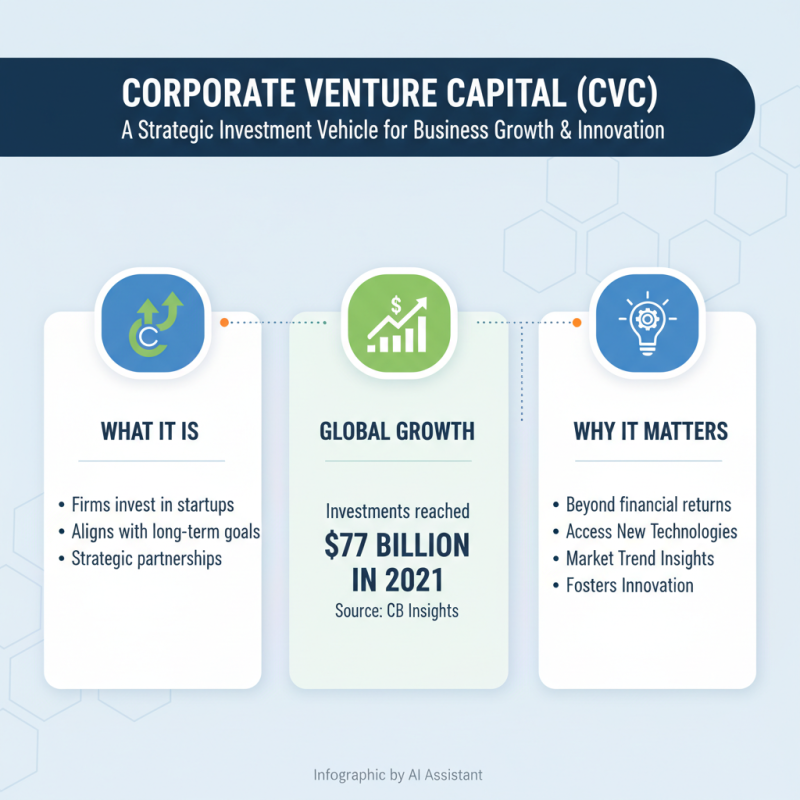
Corporate Venture Capital (CVC) has gained traction as a strategic investment vehicle for businesses. It allows firms to invest in startups that align with their long-term goals. According to a report from CB Insights, CVC investments reached $77 billion in 2021, highlighting a growing interest in innovation and strategic partnerships. Companies seek CVC investments not just for financial returns, but to gain insights into new technologies and market trends.
The strategic objectives behind CVC investments often include gaining access to emerging technologies. These investments create opportunities for collaboration. A study from PitchBook found that 25% of corporations that engage in CVC report a direct innovation boost. However, challenges exist. Some companies struggle to align the investment strategy with internal goals. This misalignment can lead to wasted resources and missed opportunities. Still, businesses are increasingly recognizing the importance of CVC in navigating a rapidly changing landscape.
Another key objective of CVC is market expansion. By investing in startups, companies can enter new markets more efficiently. The Global Corporate Venturing Report noted that CVCs contributed to over 30% of all venture capital deals in 2022. This reflects a shift in strategy where businesses prioritize agility and adaptability. However, the pressure to deliver quick results can lead to impulsive decisions. Companies must reflect on their investment choices to ensure alignment with their broader business vision.
Recent Statistics on CVC Activity and Market Trends
Corporate Venture Capital (CVC) has become a hot topic. The recent statistics indicate a surge in CVC activity. In the last year, investments reached unprecedented levels. This growth signals a shift in how companies view innovation and startups. Businesses are not just acquiring new technologies; they are also fostering ecosystems. Engaging with startups can drive fresh ideas and accelerate growth.
Market trends show increased competition for promising startups. Larger firms are investing alongside traditional venture capital. This trend raises questions. Are companies diluting their focus by chasing too many ventures? Some are excited, while others worry about getting lost in the noise. The line between strategic investment and financial gain can blur. Businesses must strike a balance between exploring new opportunities and staying true to their core objectives.
Data reflects that many CVCs aim for long-term partnerships. The average investment horizon is extending. It is crucial for businesses to consider the right metrics. Short-term gains can sometimes lead to poor decisions. Some companies may rush into partnerships without fully understanding the startup’s vision. Thoughtful engagement is needed to foster genuine innovation. The evolving landscape requires continuous reflection and adjustment. This is the path to sustainable growth in CVC.
How CVC Drives Innovation Within Companies
Corporate Venture Capital (CVC) is a powerful tool driving innovation within companies. It allows them to invest in startups and emerging technologies. According to a 2022 report, over 60% of large firms utilize CVC to stay competitive. These investments often lead to breakthroughs in product development and operational efficiencies.
Cvc Access becomes crucial for businesses striving for growth. Companies can tap into unique ideas and trends by engaging with startups. This collaboration not only provides fresh perspectives but also accelerates the innovation process. A recent study showed that firms utilizing CVC have a 30% higher success rate in launching new products than those that do not.
Tip: Engage with startups through networking events. These meetups can open doors to innovative ideas and partnerships.
While CVC brings benefits, it also poses challenges. Companies may struggle with integration after acquiring new technologies. It’s essential to maintain a balance between new and existing capabilities. Not all investments yield instant results. Firms must be patient and willing to iterate on their strategies.
Tip: Establish clear metrics to evaluate CVC success. Regular assessments help refine investment strategies and align them with business goals.
Impact of Corporate Venture Capital (CVC) on Innovation
Conclusion
Corporate Venture Capital (CVC) has become an essential part of the business landscape, defined as the investment strategy where established companies invest in startup firms to gain access to innovative technologies and business models. The evolution of CVC reflects a growing recognition of its role in fostering innovation and driving strategic growth within firms. Unlike traditional venture capital, which primarily seeks financial returns, CVC investments are often guided by strategic objectives aimed at enhancing the parent company’s core competencies and lowering the risks of technological obsolescence.
Recent statistics highlight the increasing activity of CVC in the market, signaling its significance in corporate strategy. CVC not only facilitates innovation by providing startups with vital resources but also enables larger companies to stay competitive in rapidly changing industries. However, CVC investments are not without challenges, including alignment of interests between startups and corporate investors, and the inherent risks of investing in early-stage ventures. As businesses continue to navigate these dynamics, understanding the importance of CVC becomes crucial for harnessing innovation and achieving long-term success.