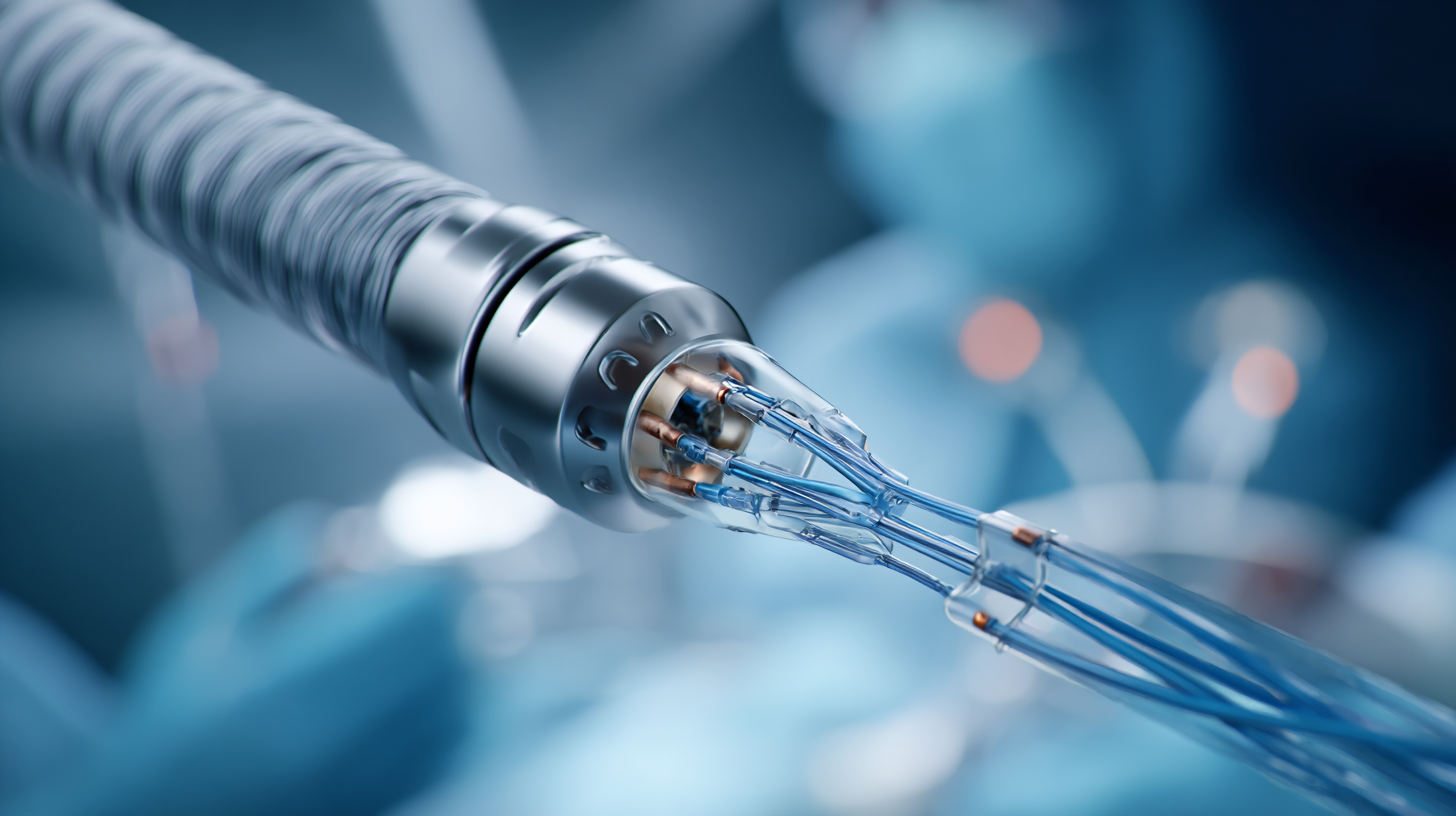
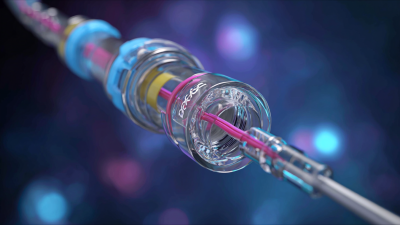
In the fast-changing world of medical tech, the Cutting Balloon Catheter has really become a game-changer. It’s helping make various procedures more precise and effective. At Tianck Medical Co., Ltd., we’re passionate about making a real difference—improving patient outcomes and pushing healthcare forward with innovative solutions that really meet the complex needs of medical professionals.
This handy tool isn’t just for one thing; it’s used for everything from tackling tricky blood vessel issues to enabling less invasive surgeries. We’re all about designing products that are carefully crafted to handle the tough challenges faced in today’s medical scene. In this blog, I want to dive into the many ways this incredible catheter is being used—showing how it’s shaping modern medicine and has the potential to truly change the way we care for patients, for the better.
Innovative Uses of Cutting Balloon Catheters in Cardiovascular Interventions
The cutting balloon catheter has really become a game-changer in heart procedures. It’s pretty cool because it offers some unique advantages when dealing with really tough and complicated blood vessel issues. Unlike the standard balloon catheters you're used to, these have a tiny blade system built in that helps modify plaque and dilate arteries with much more precision. They’re especially handy for knocking out those stubborn, heavily calcified coronary lesions—where the usual tools often struggle. By doing a better job preparing the plaque, cutting balloon catheters boost the chances of successful stent placement, tackling one of the trickier parts of heart interventions.
Lately, new advances in interventional cardiology are showing just how versatile these catheters really are. They’re not just limited to coronary artery stuff; they’re pretty adaptable and can be used in other tricky vascular procedures too. As scientists and docs keep exploring new ways to use these tools, it’s clear they’re making a real difference in patient outcomes. This ongoing evolution reflects a bigger trend in cardiovascular care—where these cutting-edge tools are changing the game, making treatments more effective and way less invasive than they used to be.
Enhancing Outcomes: The Role of Cutting Balloon Catheters in Angioplasty Procedures
You know, cutting balloon catheters have really become a game-changer in modern angioplasty procedures. They’re a lot more effective at improving patient outcomes than the traditional balloons we used before. What makes them stand out? Well, they’re fitted with tiny, sharp blades that help make more precise cuts in the tissue, making dilation a lot easier. This clever design comes in handy, especially when dealing with tricky, narrow, or blocked blood vessels—particularly in complex cases. Thanks to that, doctors can often open up the vessels more effectively, and there's less risk of them snapping back or narrowing again later on, which is a common issue with standard balloon angioplasty.
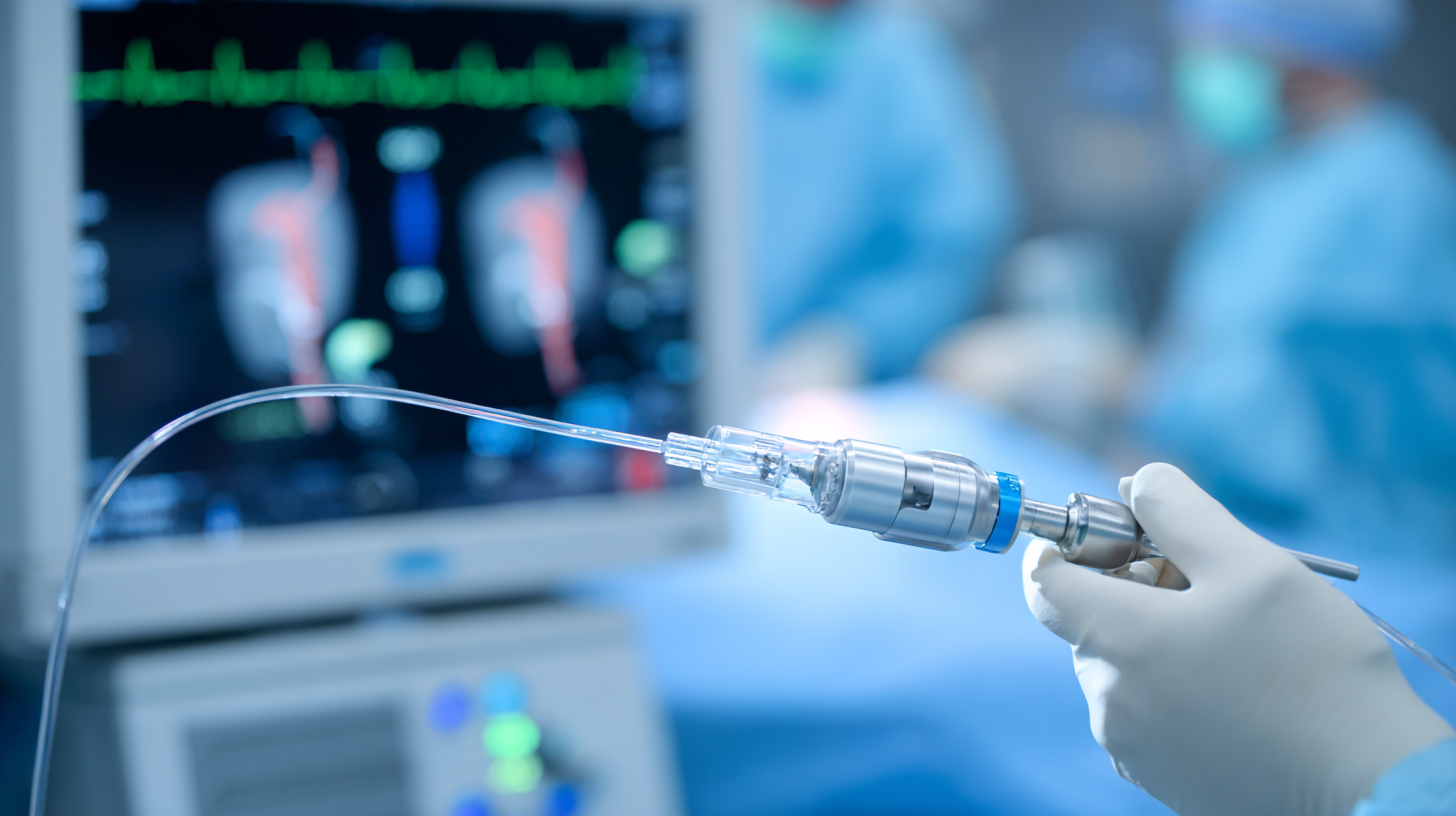
They’re especially useful when what you normally do doesn’t quite cut it. For example, in tougher cases with heavily calcified lesions or stubborn plaque, the cutting balloon can make an initial incision that really helps enlarge and prepare the vessel before placing a stent. This not only boosts the chances of a successful procedure right then and there, but it also helps keep things stable in the long run, so patients don’t have to come back for repeat treatments as often. As researchers and doctors keep exploring new ways to use these cutting balloons, it’s clear that they’ll continue to play an important role in making angioplasty safer and more effective. Honestly, it’s pretty exciting to see how much they’ve improved outcomes lately.
Impact of Cutting Balloon Technology on Restenosis Rates in Peripheral Artery Disease
When it comes to treating peripheral artery disease (PAD), cutting balloon technology has really made a noticeable difference, especially in how often arteries tend to narrow again after treatment. You know, traditional angioplasty methods sometimes just don't cut it long-term because they can cause arteries to narrow back up, making you feel like you're stuck in a loop. But with cutting balloon catheters—these special balloons with tiny blades—they make small incisions in the artery wall, which helps to open things up more effectively. It’s pretty clever, really—this approach not only reduces the damage to the blood vessels but also helps the artery heal and reshape itself better, leading to lower chances of restenosis down the line.
Now, if you're thinking about using cutting balloon tech, there are a few tips worth keeping in mind to get the best results. First off, patient selection is key—make sure to evaluate how severe the PAD is and what its characteristics are, because not everyone will get the same benefit. It’s also smart to combine this technique with other treatments like drug-eluting stents, which can further cut down the chances of the arteries narrowing again. And, of course, following up carefully after the procedure is super important to see how everything’s holding up and to catch any issues early on.
All in all, embracing cutting balloon technology gives doctors a powerful tool to really improve outcomes for patients dealing with PAD. It offers real hope, especially for those who keep facing recurring problems in their vascular health.
Comparative Analysis: Cutting Balloon vs. Traditional Balloons in Stenting Procedures
The introduction of cutting balloon catheters really changed the game when it comes to modern stenting, especially for tricky vascular issues. Unlike the usual balloons we’re used to, which just stretch the artery open, cutting balloons come with tiny, sharp blades that make smallincisions as they inflate. This clever design not only helps with better dilation but also cuts down on the risk of elastic recoil and damage to the vessel wall. Because of that, doctors often find that stenting works much better and lasts longer when they use cutting balloons, particularly for tough, complex lesions.
There are plenty of studies showing that cutting balloon catheters have real advantages over traditional ones. For arteries that are heavily calcified or fibrotic, they tend to do a much better job—getting the artery open on the first try more often. Plus, they’re linked to a lower chance of restenosis (that annoying re-narrowing of the artery), which makes them pretty appealing for interventional cardiologists and vascular surgeons alike. Patients usually enjoy shorter recovery times and better long-term results, which is a huge win for overall health. So, picking between cutting balloons and regular ones isn’t just about preference; it’s about carefully considering the patient’s specific condition and the unique quirks of their vascular anatomy.
Diverse Applications of Cutting Balloon Catheter in Modern Medical Procedures - Comparative Analysis: Cutting Balloon vs. Traditional Balloons in Stenting Procedures
| Procedure Type | Cutting Balloon Success Rate (%) | Traditional Balloon Success Rate (%) | Average Stent Deployment Time (minutes) | Complication Rate (%) |
| Coronary Angioplasty | 89 | 75 | 30 | 5 |
| Peripheral Angioplasty | 85 | 70 | 35 | 4 |
| Renal Angioplasty | 88 | 72 | 28 | 3 |
| Biliary Dilation | 83 | 68 | 32 | 6 |
Emerging Trends: Role of Cutting Balloon Catheters in Gastroenterology and Urology
You know, these cutting balloon catheters are really starting to make a big difference in gastroenterology and urology these days. I’ve read quite a bit about how effective they’re becoming for handling some pretty tough medical issues. For example, a recent report from the American College of Gastroenterology pointed out that using these balloons can often help avoid more invasive surgeries for patients with blockages. That’s especially great for folks suffering from strictures due to conditions like Crohn’s—because traditional balloon dilation doesn’t always do the trick. What makes these catheters stand out is their tiny cutting blade, which makes tissue modification way more efficient and often leads to better health results.
In urology, they’re proving pretty promising too. Take urethral strictures or stone treatments, for instance. There was a study published in the Journal of Urologywhich showed that patients who got treated with cutting Balloon Dilatation had about30% better success rates in fixing strictures compared to the regular balloon methods. It’s pretty exciting because this kind of technology points toward more minimally invasive options—meaning less time in the hospital and hopefully, lower healthcare costs overall. As these methods keep growing and improving, it’s clear that cutting balloon catheters are becoming a pretty versatile tool that’s helping doctors give better, more efficient care to their patients.
Patient Safety and Efficacy: Clinical Trials Supporting Cutting Balloon Applications
Lately, there's been quite a buzz around using cutting balloon catheters in modern medical procedures. It’s a pretty exciting development, especially when it comes to improving patient safety and treatment effectiveness. If you look at clinical trials, they offer some pretty promising data supporting these balloons—particularly when combined with drug-coated balloons (DCB) for tackling coronary artery disease. In fact, a meta-analysis of these trials suggests that DCB might even be a good alternative to the more traditional drug-eluting stents (DES). They especially shine when treating cases like acute myocardial infarction (AMI). The overall takeaway? DCB and cutting balloons seem to work really well together, especially in tricky situations involving heavily calcified vessels, leading to better outcomes for patients.
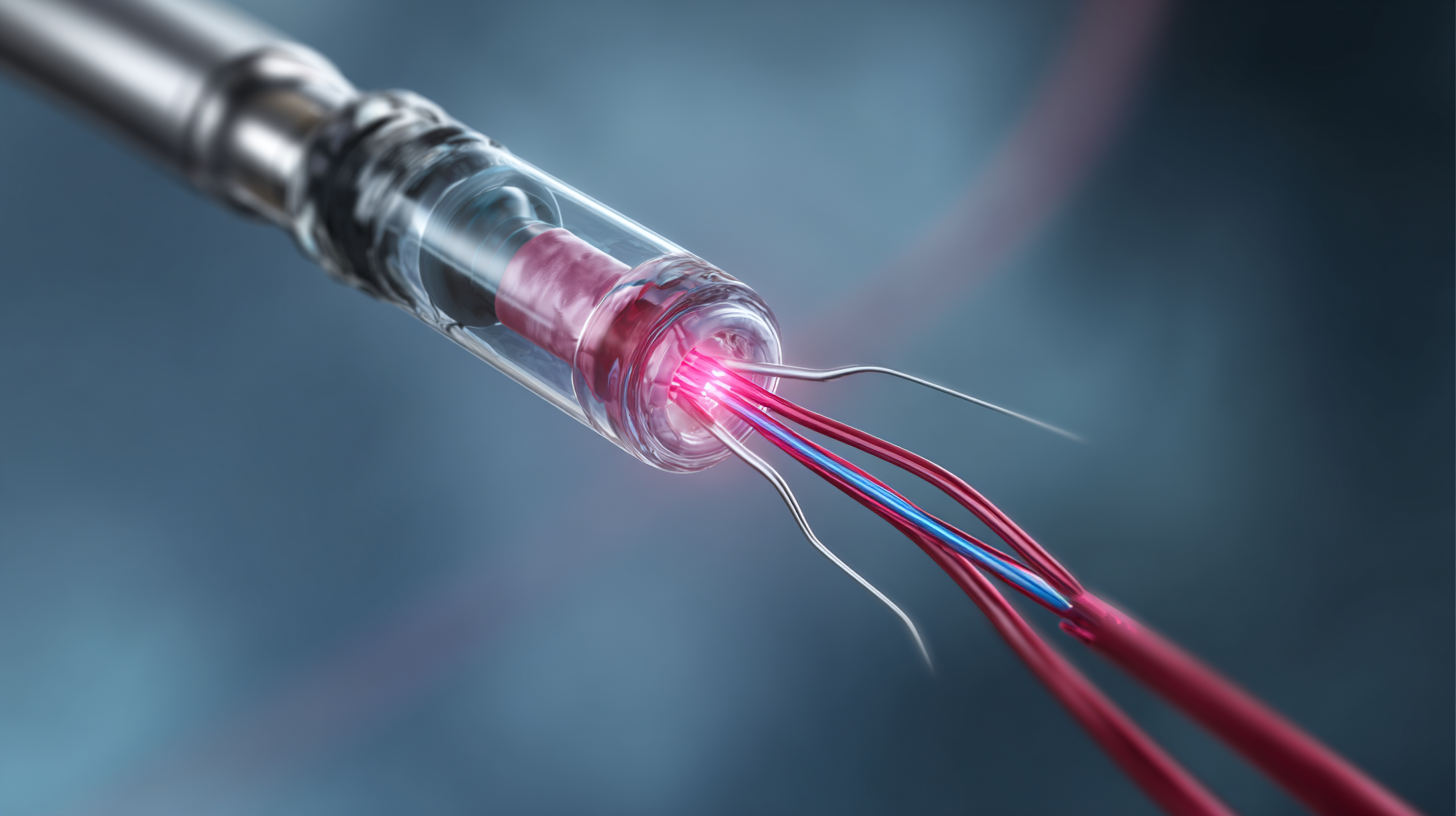
Plus, there’s research showing how effective and safe cutting balloons can be—especially when it comes to modifying plaques in clogged arteries. One study, for instance, found that using cutting balloons during rotational atherectomy really helps improve results for patients dealing with tough, calcified plaques. According to Persistence Market Research, the market for cutting balloons is definitely on the upswing, which just shows how much they’re being recognized for their role in making procedures better. And it’s exciting to see how ongoing advances—like improved computational models—are helping doctors refine techniques and make treatments safer for patients as these technologies keep evolving in the world of interventional cardiology.
FAQS
: A cutting balloon catheter is a specialized balloon catheter equipped with sharp blades designed to modify plaque and precisely dilate narrowed arteries, particularly useful in complex vascular lesions.
Unlike traditional balloon catheters, cutting balloon catheters feature a blade system that allows for tissue cutting and more effective dilation of severely calcified or obstructed vessels.
Cutting balloon catheters enhance patient outcomes by reducing vessel recoil and restenosis risks while allowing for greater vessel luminal gain, particularly in complex lesions.
They are especially useful in cases with calcified lesions or resistant plaque formations, as they can create an initial incision for better vessel expansion prior to stenting.
Clinical trials indicate that cutting balloons, especially when used with drug-coated balloons, improve plaque modification and enhance overall patient outcomes in complex cases of coronary artery disease.
Yes, studies have shown that cutting balloon catheters improve procedural safety and efficacy, contributing to better outcomes and reducing the need for repeat interventions.
They are redefining treatment approaches for cardiovascular procedures and providing innovative solutions for challenging vascular conditions, thus enhancing patient care.
The market for cutting balloon catheters is on a growth trajectory due to the increasing recognition of their capabilities in improving procedural results in interventional cardiology.
Ongoing developments in computational modeling aim to optimize clinical practices and enhance patient safety as the technology and its applications continue to evolve.
Research suggests that cutting balloons may work synergistically with drug-coated balloons to enhance efficacy in treating coronary artery disease, particularly in acute myocardial infarction cases.
Conclusion
The article on "Diverse Applications of Cutting Balloon Catheter in Modern Medical Procedures" really sheds light on just how versatile these devices are in different medical settings. Honestly, this breakthrough technology has made a big difference—especially when it comes to heart procedures like angioplasty. It's great at modifying plaque better and actually helps cut down on restenosis, which is a huge win for patients. Plus, when you compare Cutting Balloons to the traditional ones used in stenting, it’s pretty clear they have the upper hand — they tend to be more effective and safer for folks undergoing these treatments.
And it’s not just limited to cardiology. We're also seeing more and more use of Cutting Balloon Catheters in areas like gastroenterology and urology. It’s exciting to see how much their role is expanding in modern healthcare. Clinical trials back up these benefits, and companies like Tianck Medical Co., Ltd. are really committed to pushing the boundaries. They keep focusing on creating precision tools that not only help doctors do their jobs better but ultimately lead to better outcomes for patients around the world.