Leave Your Message
Over the last few years, the healthcare industry has gone through a significant evolution concerning the design and development of medical devices, especially in Drainage Catheters. The global drainage catheter market is expected to be worth USD 1.6 billion in 2027, with a compound annual growth rate (CAGR) of 5.4%, as projected in various industry reports. The growth is due to the increasing prevalence of conditions requiring drainage procedures, such as chronic diseases and post-surgical complications. Innovations in design and materials for drainage catheters ensure augmented safety and efficacy, resulting in optimized patient outcomes and overall health care performance.
At Tianck Medical Co., Ltd., we aspire to play an active role in this zone in flux by engineering precision products that meet the immediate needs of health professionals and, at the same time, forecast tomorrow's needs. We witness the perspective of tomorrow in all our innovations; advanced drainage catheter solutions aim at easing drainage procedures, minimizing infection risk, and elevating patient comfort. Thus, via our data-centric approach, we aspire to make our changes trendily in tune with the industry, keeping an edge in changing the present-day perspectives toward healthcare practice.

The change in drainage catheters opened the door for enormous advances in healthcare delivery, and with some emerging trends, basically, it addresses the needs of patients and healthcare providers. The manufacturers over the past few years have come up with innovative designs and materials to improve the functionality and safety of drainage catheters. For example, the advent of antimicrobial-coated drainage catheters has become a trend recently. These coatings significantly reduce infection risks that can result from using various kinds of catheters. That would benefit patients in saving a lot of time during recovery and will do the same for hospitals. In addition, smart technology is now being integrated into drainage catheter systems to replace traditional practices. For example, real-time fluid level sensing and blockage detection sensors have developed automated response systems for practitioners to act immediately before further complications arise. This is much applicable in Critical Care units, as even the tiniest delay can mean a huge difference for the patient's well-being. With these new methods, clinicians can make accurate action-based decisions based on all the analytics these smart devices store. Personalization is another powerful emerging trend in drainage catheter design. Custom catheters should be able to suit individual patient anatomy. This will enhance comfort and efficacy during the procedure as the devices will be better fitted and function more effectively, thereby reducing complication rates and increasing satisfaction levels. Gradually, with the acceptance of such endorsement of innovative trends by the healthcare sector, drainage catheters would assume a bigger role in modern medical practice.
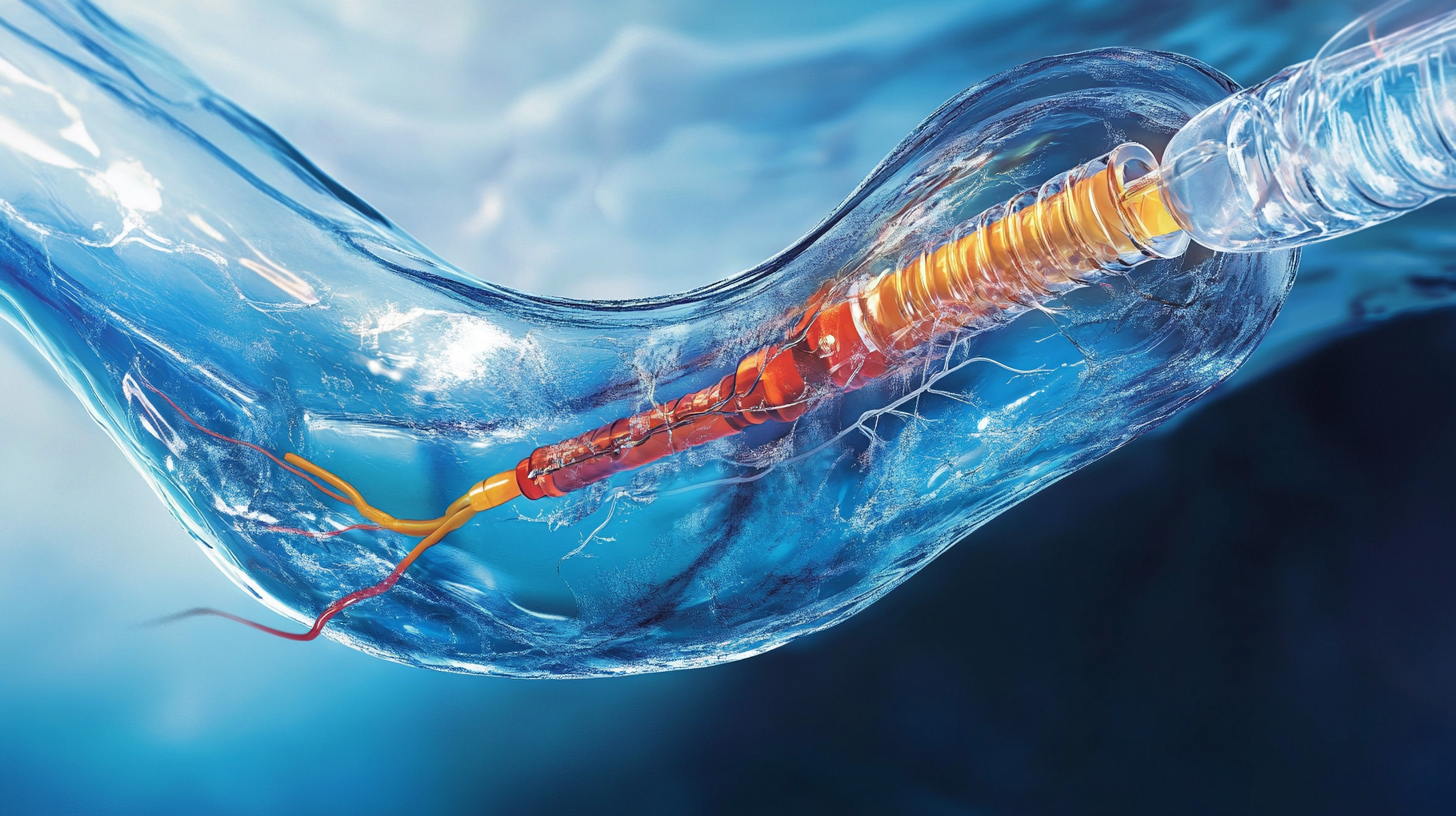
Incorporating data analytics into the healthcare space immensely impacts the performance and safety of drainage catheters. These medical devices are vital for fluid management in several clinical settings, and data-driven insights regarding their performance are nothing short of revolutionary. With advanced analytics, healthcare can establish patterns related to patient outcomes, optimize catheter placement methods, and develop personalized care protocols.
The use of real-time monitoring of data helps the clinician recognize early signs of complications like infections or blockages to intervene timely. This way, not only is patient safety enhanced, but the financial burden of further healthcare costs incurred due to complications get minimized. Elsewhere, predictive analytics models leverage historical data to see risks and complications in advance of generations of patient management that impart additional quality into the unit of care.
In addition, the role of AI and machine learning must not be ignored in this area. These technologies allow for analyzing large volumes of datasets, from which previously unknown insights could be generated. In applying these technologies, professionals may improve the design of drainage catheters and assess the best contexts in which to use them, thus enhancing overall patient outcome. With the continuous advancement of these technologies, data analytics shapes the promising future of drainage catheters and its deep impact on present healthcare.

There is potential for significant growth in the market for drainage catheters as the demand for effective and minimally invasive surgical solutions increases. The recently released report by MarketsandMarkets revealed that the global market for drainage catheters is projected to be worth USD 2.54 billion by 2025, growing at a compound annual growth rate (CAGR) of 5.8% from 2020 to 2025. Most of this growth is attributed to the rising prevalence of chronic diseases that require advanced forms of fluid facility management in clinical practice.
Furthermore, the market forces are owing to the innovative developments in catheter technology. With the advent of smart drainage catheters with sensors, the demand for these products is being impacted due to improved patient outcome through continued monitoring of fluid dynamics. According to one study in the Journal of Medical Devices, using smart catheters can shorten the hospital stay by as much as 20%, which results in huge savings for healthcare systems. With time, as the hospitals install more of these creative technologies, demand for drainage catheters will grow tremendously across the nation.
Aside from technological innovations, demography plays an important role in marketing trends. According to The World Health Organization, the proportion of the population aged over 60 years will double from 12% to 22% during the period from 2015 to 2050, thereby increasing the incidence of such conditions for procedures involving drainage. So, access to health care will strengthen this demographic shift, in conjunction with the emerging markets, which reveals huge future drainages for drainage catheters, vital in modern health care.
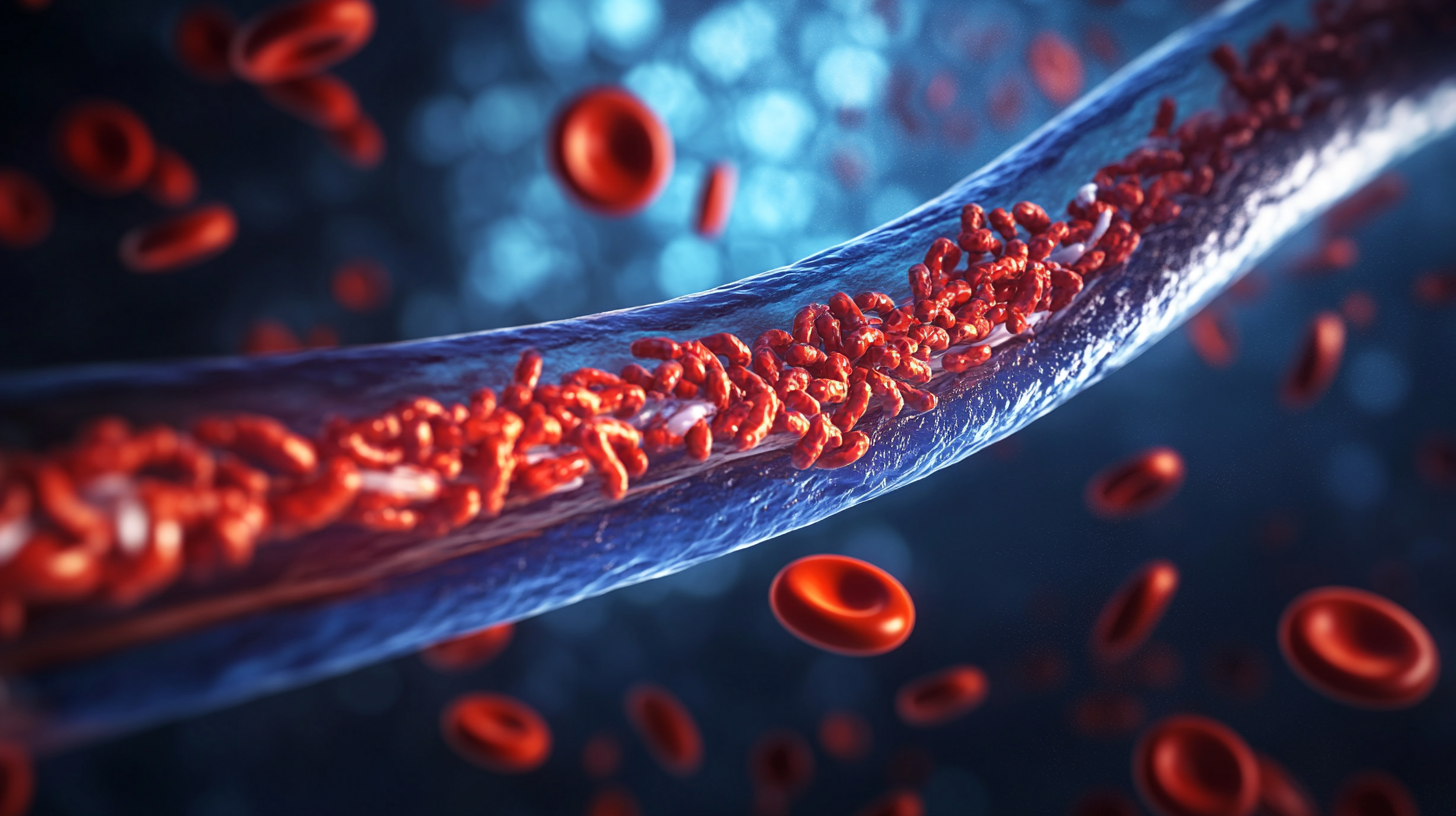
Drainage catheter technology advancements represent one of the major shifts in the current healthcare trend towards enhanced patient management and care practices. The reliability of traditional drainage catheter systems was countered by an inherent inefficiency, sometimes lack of accuracy, and excessive difficulty of use. With more advanced innovations introduced, catheter technologies are less encumbered by drawbacks than ever before. New modern systems incorporate smart materials integrated with sensors to enhance real-time data collection and thus provide greater precision for fluid management.
On the contrary, conventional drainage technologies largely relied on manual monitoring, resulting in variability in patient outcomes. In contrast, advanced drainage catheters improve the workflow through automation and connectivity features. This evolution in technology follows the trends in other industries, wherein smart technology is employed for quality enhancement. Just as the industries transition from traditional methods to smarter solutions, the innovations being introduced into healthcare are aimed not only at operational efficiency but also at patient experience enhancement and factor improvements.
Moreover, just as in sports betting or manufacturing electric vehicles, the shift to data-driven will also shine in the health sector. With the advanced technology entrusted into their hands, the healthcare professionals can respond to increasing demands for quality care and patient-centered solutions. With continuing evolution in the field, comparing traditional drainage catheter technologies vs. advanced drainage catheter technologies will offer informed avenues for how patient treatment modalities and healthcare practices are shaped.
It's hard to believe the kind of experience that these drainage catheters might wind toward by clinical practice since the times, usages, and features of these devices have been changing at par with new evolving technologies and elucidations on effective patient outcomes. A statistical review to these devices is a mirror(IT) that speaks much about their application in managing diverse medical conditions-the most important of which, not limited, but to fluid drainage, includes all other surgical-related complications, both immediate and post-operation. Their consistent and constant collection of data from myriad studies indicates that they effectively cut back on hospitalization time through their timely use and improve recovery rates over time.
Recent comprehensive analyses come up with the advantage of the design and materials of a drainage catheter in improving patient outcomes as well. Technological advancements in catheter technologies allow enhanced biocompatibility and lower infection rates. According to research, patients have advanced catheter designs and complication rates that are lower for most of these patients; this will, therefore, lead to better health in the long term. In contrast, the statistical relationship which shows the incidence of infections to catheter design argus the need to recession modern evidence-based practice in clinics.
This also meant that the assessment of drainage catheters will be invaluable for future data analytics. Best practices can be compared through co-hort study and patient outcome to develop the evidence leading to the optimum protocol for the respective treatment by the healthcare. This data-driven approach informs clinicians about the best technique and helps in educating patients in what to expect during recovery, ultimately improving the healthcare experience.
Amidst the changing scenarios in the current world industry, there finds an interesting story in the economic arguments towards modern drainage catheters, as it reflects how real diverse costs and gains are displayed in trends. An analysis based on empirics suggests possible advances in drainage catheter technology, which would improve clinical outcomes and decrease overall healthcare costs. For example, newly integrated materials and designs lead to lower complication rates; that is, there are fewer complications and thus less need for subsequent costly interventions that are required with more traditional approaches.
The broader economics indicate that, like results from the Delta Conveyance Project that displays almost $38 billion in benefits weighing against significant initial costs, such as drainage catheters, they enhance the standard of patient care but at the same time reap economic rewards in the longer term. Incremental cost-effectiveness ratios for this technology fall squarely within the willingness-to-pay thresholds that arise from health economics, thereby establishing their financial justification.
Technological advances occurring in catheter design can likewise be likened to the progressive acceptance of solutions for liquid cooling in data centers that are expected to penetrate the market to a much greater extent by 2025. Such trends mark the transition toward an efficient system that will prove beneficial to the improved operational capability and green healthcare practices. Investing in modern drainage catheters theoretically guarantees measurable economic benefits in healthcare systems, while improving health outcomes for patients.
The medical world is undergoing unprecedented changes, and issues regarding drainage catheter regulatory trends and compliance are gaining traction like never before. The recent iterations of data security laws certainly bring home the point that, with respect to drainage catheter data handling and privacy, a medical device manufacturer's best game is to comply with stringent regulations such as the Data Security Law and the Personal Information Protection Law. In the study of one of the top consulting firms in 2023, 80% of enterprises accepted the fact that compliance with these rules would benefit them to prevent potential fines and reputational damage.
As far as drainage catheters are concerned, technologies worth a special mention in the compliance department are being brought into deeper implementation. The most allergenic appurtenance of data governance reflects that data, per se, should be treated by an organization as one of its most critical assets; thus, every such bit of data governance in that organization will be in sync with each change of standards. The advent of AI in health creates yet another compliance twist, as entities attempt to balance new inventions with the preservation of patient data. A survey conducted by a respected research consortium revealed that 65% of respondents share the concerns of healthcare professionals regarding how regulatory compliance issues affect innovation in their fields.
Thus, as drainage catheters are gaining prominence on their own, any compliance issues arising from management of global supply chains should form an ever-present consciousness for companies in that arena. The pressure to operate transparently and sustainably has created an imperative for firms to re-evaluate their own framework and align it with compliance criteria established on a global scale. According to industry forecasts, organizations placing regulatory compliance and governance as topmost priorities not only will access a means to reduce risks but also will increase their competitive advantage in the data-driven era and thus, be in a greater position to earn the trust of health providers and patients.
Application of drainage catheters in recent years has undergone drastic changes in health care facilities as the use and application of such devices can be said as new innovations ways. Case studies will show how they would pave the way toward better patient outcomes, especially in surgical and critical care settings. They facilitate evacuation of fluids to prevent complications and hasten recovery times. Take for instance a case recently produced by one of the best hospitals in the world that showed how continuous drainage catheters used strategically during abdominal surgeries brought down infection rates postoperatively due to improved management of accumulated fluids.
In fact, drainage catheters have been successfully used for chronic diseases, like heart failure and ascites. Probably, the most striking example is that of a comprehensive team which incorporated drainage catheters into the healthcare program for patients suffering from the most extreme forms of liver disease. By constantly measuring and adjusting their fluid levels, caregivers were able to relieve these patients' symptoms and improve their quality of life. Such implementations illustrate the flexibility of drainage catheters, but primarily highlight the data-poised insight concerning the tailoring of interventions to meet the needs of individual patients.
In outpatient facilities, portable drainage catheters revolutionised chronic disease management. An example of this project is using a community health center to employ treatment devices in patients with recurrent pleural effusion, assisting at-home drainage while still monitoring their status. This approach empowered patients and minimized hospital visits, a definite indication of changes towards more patient-centered care solutions. The example of effective integration of drainage catheters in these diverse settings might involve their transformative change to modern adopted healthcare systems within the data-informed practice and innovation.
Drainage catheters are essential for managing various medical conditions by facilitating fluid drainage and reducing complications related to surgical procedures, ultimately leading to improved patient outcomes and shorter hospitalization times.
Advancements in catheter design and materials enhance biocompatibility and reduce infection rates, leading to fewer catheter-related complications and better long-term health for patients.
Statistical reviews and case studies demonstrate that proper use of drainage catheters results in a significant reduction in postoperative infections and improved recovery times across various healthcare settings.
Data analytics allow healthcare providers to track patient outcomes and refine treatment protocols based on evidence from cohort studies, informing best practices and improving patient care.
Drainage catheters have been effectively used in surgical and critical care environments as well as in outpatient settings for managing chronic conditions such as heart failure and pleural effusion.
Portable drainage catheters facilitate at-home fluid management for patients with conditions like recurrent pleural effusion, reducing hospital visits and empowering patients with more control over their care.
Multidisciplinary teams have successfully integrated drainage catheters into care plans for patients with severe liver disease, enabling continuous monitoring and management of fluid levels to alleviate symptoms.
Employing modern, evidence-based practices in catheter design is crucial for reducing infection rates and complications associated with their use, thereby improving overall patient health outcomes.
By effectively managing fluid levels and preventing complications, drainage catheters significantly enhance the quality of life for patients with chronic conditions, providing relief from symptoms.
There has been a shift towards more patient-centered care solutions, as seen with the use of portable drainage catheters that allow for home management and regular monitoring of patients' conditions.