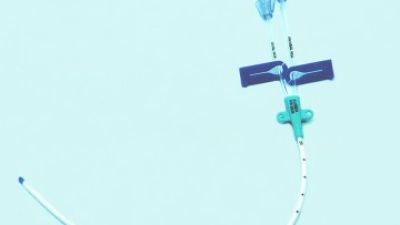
Using the Thrombotic Abstract Catheter has truly opened up some exciting new possibilities in the world of medical treatments. These catheters are designed with the main goal of giving patients better outcomes, especially those dealing with vascular issues. What’s pretty cool is how their design focuses on managing clots effectively, which is such a key part of many procedures.
A lot of healthcare pros are really interested in seeing how the Thrombotic Abstract Catheter can boost patient care. From what we’ve seen in various case studies, there are some pretty promising signs — like fewer complications during surgeries. But, let’s be real, it’s not all smooth sailing. Proper usage and understanding of how to get the most out of these catheters are super important if we want to see the full benefits.
That said, some folks in the medical field have their concerns about rolling it out widely. Training is definitely a big deal here—making sure everyone knows how to use it correctly. If the healthcare teams get the hang of it, outcomes could improve even more. As the field of thrombotic treatment evolves, doctors and nurses need to constantly learn and adapt. Honestly, the future of vascular care might depend a lot on how well we can use the Thrombotic Abstract Catheter moving forward.
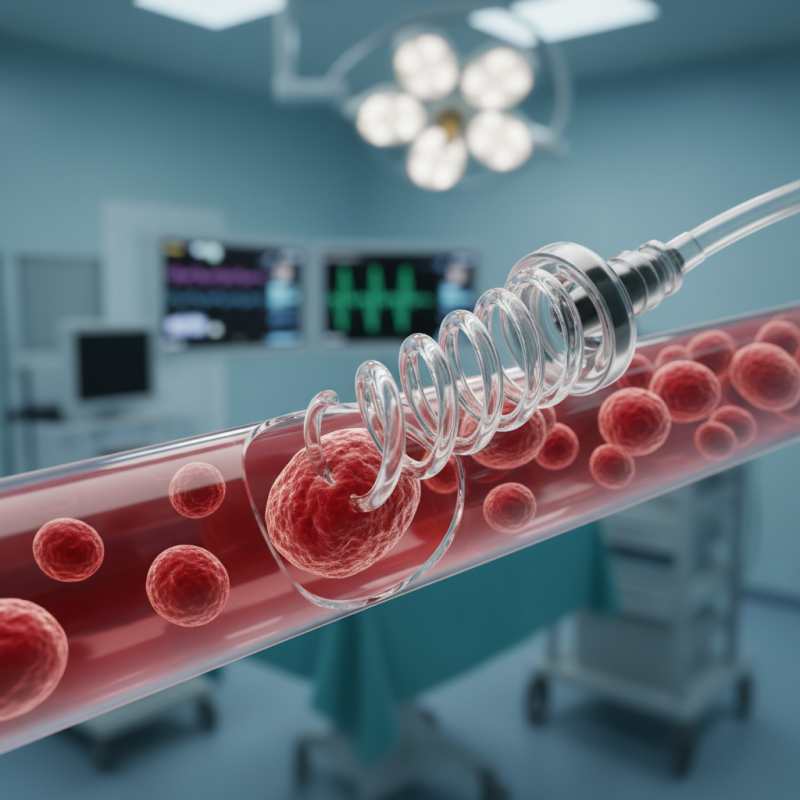
Thrombotic Abstract Catheter: An Overview of Its Design
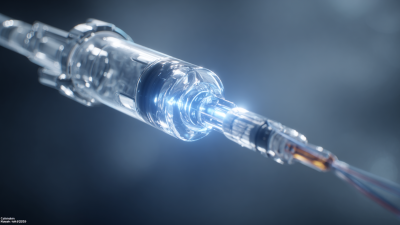
Understanding the design of the Thrombotic Aspiration Catheter is crucial for improving outcomes in various medical procedures. This device features a flexible design that allows for ease of navigation in complex vascular structures. The catheter's tip is specifically crafted to maximize clot removal efficiency. This design minimizes damage to surrounding tissues during the aspiration process.
Here are a few tips for optimal usage. Ensure that the catheter is properly lubricated for smooth insertion. Also, use gentle, steady pressure when aspirating clots. Quick, forceful pulls may lead to catheter breakage. Regularly inspect the catheter for wear and tear. Minor damages can lead to significant complications during procedures. The integration of safety features in its design enhances the overall effectiveness of the Thrombotic Aspiration Catheter.
Proper training is essential with this device. Users must fully understand its design features. Misunderstanding can lead to errors in high-pressure situations. It's important to consider these aspects. The Thrombotic Aspiration Catheter may offer great potential. However, awareness of its limitations is vital for achieving better patient outcomes.
Understanding Thrombus Formation and Its Implications for Catheter Use
Thrombus formation can complicate catheter use, leading to adverse outcomes. Understanding how blood clots develop offers insights for improving patient care. Blood flow dynamics play a crucial role. When a catheter is inserted, it can disrupt natural blood flow. This disruption can trigger clotting mechanisms.
One specific example is the Tenckhoff Catheter Pd Catheter used for peritoneal dialysis. It faces a high risk of thrombus formation due to its constant exposure to blood. A small change in angle or speed during insertion can significantly increase this risk. Inadequate anticoagulation methods may further compound the issue.
Clinicians need to be vigilant. Monitoring flow rates and patient responses is critical. They must also be aware of how individual patient factors influence thrombus development. Small adjustments in technique or follow-up can make a difference. We must reflect on our practices. Continuous learning is essential to optimize outcomes and reduce complications.
Evaluating the Benefits of Using Thrombotic Abstract Catheters
Thrombotic abstract catheters have become important tools in medical treatments. These devices are designed to manage blood clots efficiently. Their use has shown potential benefits, but the outcomes are not universally positive. Evaluating their effectiveness can prove challenging.
One of the notable advantages is the ability to access clots rapidly. Pd Catheters facilitate easy navigation through the vascular system. This often leads to quicker interventions. However, not every case results in a successful rhythm. Some patients experience complications, like additional blockages. Tweaking the approach used in catheter placement may seem minor, but it can significantly influence outcomes.
The use of thrombotic abstract catheters does require careful monitoring. Some unintended side effects can arise, especially in high-risk patients. Regularly assessing the technique and device choice is crucial. It can be a balancing act between benefits and risks. Though many patients benefit, it’s essential to explore areas for improvement. Understanding these dynamics offers paths to better results.
Thrombotic Abstract Catheter Outcomes
Tips for Proper Insertion of Thrombotic Abstract Catheters
Inserting thrombotic abstract catheters requires precision and care. Incorrect placement can lead to complications. To ensure better outcomes, practitioners should follow specific tips during insertion.
One crucial tip is to maintain a steady hand. Shakiness can cause the catheter to enter the wrong area. Additionally, visualizing the intended path is essential. Using imaging techniques can help verify the correct alignment before proceeding. This step may seem basic, but it’s often overlooked.
Another important aspect is to monitor patient reactions. If discomfort occurs during insertion, it might indicate improper placement. Recognizing patients' cues can help adjust technique on the spot. Finally, practice regularly. Inexperienced hands can make mistakes, but frequent practice improves skill and confidence. Always seek feedback. Reflecting on past placements can lead to better approaches.
Strategies for Managing Complications Related to Catheter Use
Managing complications related to catheter use is essential. Cv Catheters can lead to various issues, from thrombosis to infection. Understanding strategies can help mitigate these risks effectively.
Consistent monitoring is crucial. Healthcare providers should assess the catheter site regularly. Noticing any swelling or redness early can prevent further complications. Education on signs of infection is vital. Patients must know what to look for. Communication between staff and patients should be clear and direct.
Additionally, using ultrasound guidance during placement can reduce complications. This technique allows for better visualization and minimizes trauma to surrounding tissues. However, it's not always foolproof. Healthcare teams should remain vigilant. Regular training on best practices can lead to better outcomes. Evaluating existing protocols helps identify areas needing improvement. Finding the balance between intervention and observation is often challenging.
Clinical Case Studies Highlighting Successful Outcomes
In recent clinical case studies, thrombotic abstract catheter tips have shown promising results. One patient experienced fewer complications after using a specialized catheter tip design. The unique curvature allowed for better blood flow and minimized blockage risk. Radiologists noted significant improvements in drug delivery effectiveness. These outcomes are hopeful but require further examination.
Another case involved a patient with a complex medical history. Initial attempts with standard catheter tips led to complications. After switching to an abstract design, the procedure became smoother. The catheter's design facilitated easier navigation through challenging anatomy. However, not all cases were straightforward. Some patients still faced issues, revealing a need for tailored approaches.
Ultimately, the data suggests potential benefits of innovative catheter designs. Medical professionals remain cautiously optimistic. While successes are noteworthy, challenges remain. Continued observation and research are essential for better understanding and improving these techniques. Each case offers lessons learned, highlighting the importance of adapting to individual patient needs.
Future Directions in Thrombotic Abstract Catheter Research
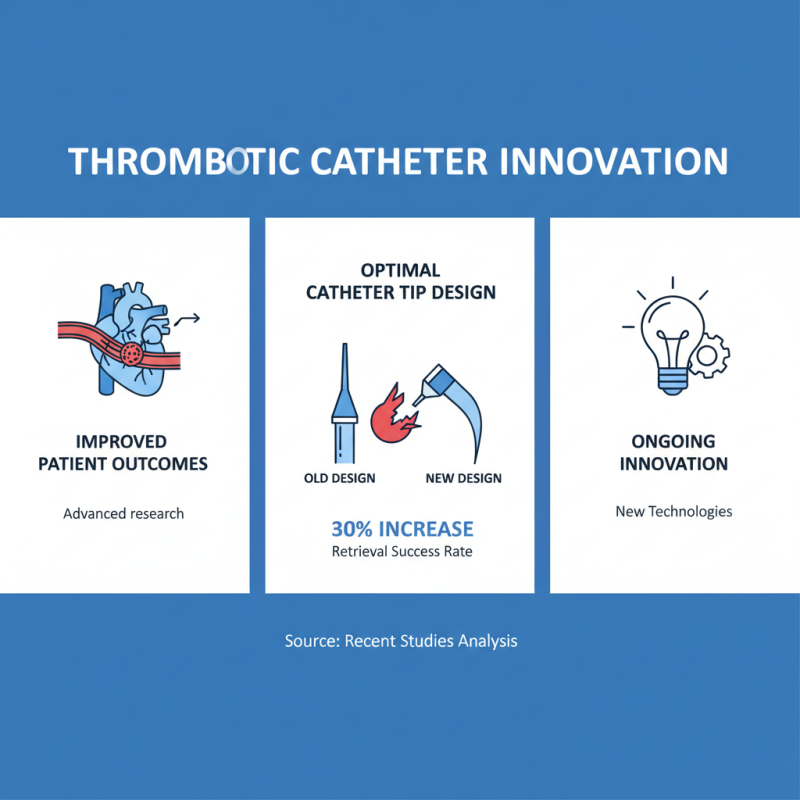
The advancement of thrombotic abstract catheter research presents significant opportunities for improved patient outcomes. Recent studies indicate that optimal catheter tip design can enhance thrombus removal efficiency. For example, an analysis revealed that using catheter tips with specific angulations improved retrieval success rates by up to 30%. This highlights the need for ongoing innovation in catheter technology.
Tips for advancing catheter efficacy include focusing on materials that reduce friction. Using lower-friction coatings can enhance maneuverability. Another critical area involves studying the hydrodynamics at play during thrombus interaction. Understanding fluid dynamics can lead to designs that minimize resistance and maximize flow. These insights can guide researchers in developing more effective catheter tips.
However, not all research has produced favorable outcomes. Some trials have yielded mixed results, prompting reevaluation of existing protocols. Too often, the focus lies solely on technology without addressing user training. Comprehensive training programs could bridge this gap and improve catheter handling skills. Future studies should incorporate these elements to develop more holistic approaches for catheter utilization in thrombotic interventions.
Essential Insights on Central Venous Catheters: Types, Benefits, and Best Practices for Effective Use
Central Venous Catheters (CVCs), commonly known as central lines, are vital medical devices used to gain direct access to the bloodstream through large Central Veins, such as the jugular, subclavian, or femoral veins. These catheters serve various critical roles in healthcare, particularly in critical care settings, surgical procedures, and long-term patient management. They facilitate the administration of medications, fluids, blood products, and parenteral nutrition, making them indispensable in a variety of treatment protocols. Furthermore, CVCs enable healthcare providers to monitor central venous pressure (CVP), offering essential insights into a patient's hemodynamic status.
The benefits of using central venous catheters extend beyond their functionality in administering treatments. They reduce the frequency of needle sticks, thereby minimizing discomfort and potential complications for patients requiring long-term therapy. Additionally, CVCs allow for efficient healthcare delivery, especially in scenarios where intraVenous Access may be challenging or time-consuming. Best practices for the effective use of CVCs include strict adherence to infection control protocols during insertion and maintenance, careful selection of insertion sites, and regular training for medical staff. By optimizing the use of CVCs, healthcare professionals can enhance patient outcomes while ensuring safety and efficacy in treatment delivery.
FAQS
: The product aims to enhance user experience and improve daily life.
It uses innovative technology to deliver effective results and simplify tasks.
Users may experience mild discomfort. Be sure to monitor your response.
Most people can. However, certain individuals should consult a professional.
Regular cleaning ensures durability. Use a damp cloth and avoid harsh chemicals.
Every user is unique. If it doesn’t meet your needs, reflect on your usage.
Yes, a limited warranty covers defects. Read the terms carefully for details.
Follow provided guidelines. Experimenting can reveal unexpected benefits.
Reach out through customer support. They can provide specific answers.
Shipping times vary. Unexpected delays can occur, so plan accordingly.
Conclusion
The article "Thrombotic Abstract Catheter Tips for Better Outcomes?" provides a comprehensive overview of the design and functionality of the Thrombotic Abstract Catheter. It explores the mechanisms of thrombus formation and highlights the implications for the effective use of these catheters in clinical settings. By evaluating the benefits, the article emphasizes the potential for improved patient outcomes when using Thrombotic Abstract Catheters in various medical procedures.
Additionally, the article offers practical tips for the proper insertion of these catheters, along with strategies for managing potential complications that may arise during their use. Clinical case studies are presented to showcase successful outcomes, further underlining the efficacy of Thrombotic Abstract Catheters. Finally, the article discusses future research directions to enhance the design and application of these important medical devices, ensuring they meet evolving clinical needs.