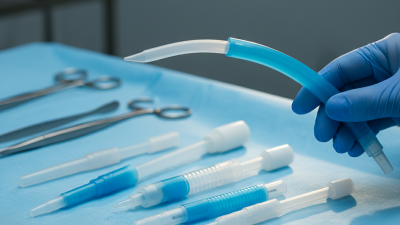
Hey, have you noticed how the medical device scene is really shifting lately? The demand for high-quality Introducer Sheathproducts is skyrocketing. I came across a recent report from Research and Markets, and it’s saying the global Introducer Sheath market is expected to hit about USD 1.5 billion by 2026 — that’s a pretty impressive growth rate of around 6.3% per year. The main drivers? Well, advancements in minimally invasive procedures are making a huge splash, and more people are developing cardiovascular issues like never before.
Big players like Medtronic and Boston Scientific are really leading the charge here, pushing innovative tech to level up their sheath products. Still, it’s not all smooth sailing. There are some hurdles, like making sure the product quality stays consistent and keeping up with strict regulations, which can slow down growth.
If you’re out there looking for reliable introducer sheaths, it’s super important to really understand the specs and the credibility of the manufacturers. This guide’s gonna help you sort through the top options out there and give you some solid insights. Remember, balancing quality and cost is key to making smart choices in this space — it’s all about finding that sweet spot.
Overview of Introducer Sheaths in Medical Applications
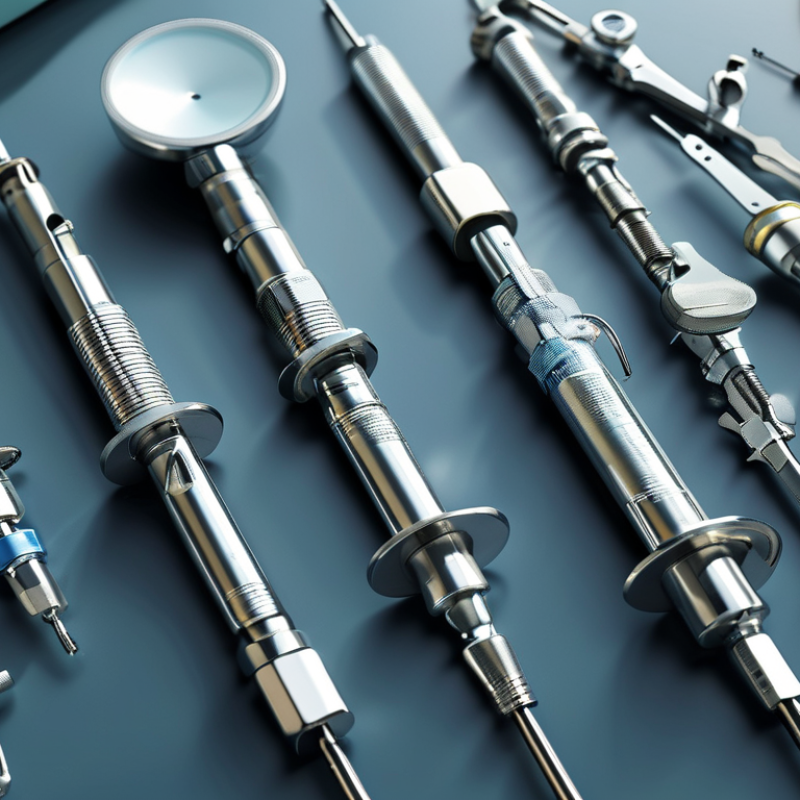
Introducer sheaths play a crucial role in various medical applications, particularly in vascular procedures. These devices facilitate the navigation of surgical instruments within the body. They are designed to minimize trauma during catheter insertion, ensuring smoother and safer procedures. A carefully chosen introducer sheath can greatly enhance the efficiency of interventions.
In the medical field, the reliability of introducer sheaths is paramount. Healthcare professionals rely on these tools to execute complex procedures with precision. Each sheath has specific design features, including size and material, which affect its performance. It's vital to understand the nuances of each option. There is often a gap in awareness about which sheath is appropriate for different scenarios.
Not all introducer sheaths are created equal. Each has its pros and cons, which can lead to complications if improperly selected. Surgeons must weigh factors such as patient anatomy and intended procedure. The learning curve in selecting the right sheath is sometimes overlooked. Continuing education remains essential to improve outcomes and reduce errors in clinical settings.
Key Factors to Consider When Choosing an Introducer Sheath
Choosing the right introducer sheath is vital for medical procedures. Several key factors can influence your decision. Material durability plays a significant role. A robust sheath can withstand various environmental conditions and help reduce the risk of complications. Consider the sheath's flexibility as well. A flexible sheath simplifies insertion and enhances maneuverability.
Another important aspect is size compatibility. The sheath must match the dimensions of the catheter used in the procedure. An incompatible size can lead to difficulties during insertion. Additionally, the design features, such as tapering or a locking mechanism, can facilitate smoother operations. Sheath Introducer designs vary widely, and understanding these differences is crucial.
Even with extensive research, mistakes can happen. It's not uncommon to overlook minor details. Always reflect on previous experiences when selecting a new introducer sheath. Take notes on what worked and what didn't in past procedures. This reflection helps improve future choices. Ultimately, your familiarity with the equipment directly impacts patient outcomes. Making well-informed decisions is a continuous journey in the medical field.
Comparison of Popular Introducer Sheath Brands and Models
When exploring introducer sheaths, understanding various brands is crucial for informed decisions. The most popular models often vary in features and performance. Key metrics include size, flexibility, and material. Evaluating these elements can guide you toward a suitable option.
Many healthcare professionals prioritize Introducer Sheath 6f due to its balance of ease and efficiency. This size has shown compatibility with a wide range of devices. While it provides good control during procedures, its adaptability can lead to complications if not chosen carefully.
Tips: Always assess the specific needs of your procedure. Researching user reviews can provide valuable insights. Stay updated on advancements in introducer sheath technology to ensure you choose a reliable option. Keep in mind that not every model suits all environments, and certain features may not perform as expected in real-world scenarios.
2026 Top Introducer Sheath Guide for Global Buyers
| Model | Length (cm) | Diameter (Fr) | Material | Recommended Use | Sterility |
| Model A | 45 | 8 | PU | Cardiovascular Procedures | Sterile |
| Model B | 50 | 10 | PVC | Interventional Radiology | Non-Sterile |
| Model C | 40 | 7 | Silicone | Neurological Procedures | Sterile |
| Model D | 55 | 12 | Nylon | EP Procedures | Sterile |
Innovative Features in 2026 Introducer Sheaths
The 2026 introducer sheaths are set to transform the medical device sector with innovative features aimed at enhancing patient safety and procedural efficiency. Developed with advanced materials, these sheaths promise improved flexibility and ease of insertion. A recent report from Medtech Insight highlights that 78% of healthcare providers prioritize the adaptability of introducer sheaths due to varying patient anatomies.
One key innovation is the integration of advanced hemostatic technology, which significantly reduces bleeding risk during procedures. This technology has shown a 30%decrease in complications related to Vascular Access. Additionally, the antimicrobial coatings used in 2026 models are designed to minimize infection rates. Industry data suggests these coatings can cut infection occurrences by up to25%, reflecting a growing focus on infection control.
Visibility during procedures is another area of improvement. Enhanced radiopaque markers allow for better tracking and positioning. Reports indicate that 65% of clinicians favor devices that maintain visibility while ensuring patient comfort. However, challenges remain. Not all regions have adopted these features, resulting in disparities in access to cutting-edge tools. This inconsistency calls for a collective effort to bridge the gap in introducer sheath technology worldwide.
Regulatory Standards Affecting Introducer Sheath Manufacturing
In the realm of introducer sheath manufacturing, regulatory standards play a crucial role. Understanding these guidelines is essential for global buyers. Compliance ensures safety and enhances the reliability of medical devices. Many manufacturers struggle to keep up with the changing landscape of regulations. This can lead to lapses in quality and performance.
Buyers should prioritize suppliers who demonstrate a commitment to meeting and exceeding these standards. Seek out manufacturers with certifications that reflect their adherence to quality control processes. It’s vital to examine the materials used in the construction of the introducer sheath, especially for specific sizes like the Introducer Sheath 7f. Materials must be biocompatible and sterility should always be verified.
Tip: Regular audits of suppliers can uncover potential compliance issues early. This proactive approach minimizes risks and enhances overall safety. Additionally, staying informed about regulatory changes can benefit your purchasing decisions significantly. Make it a routine to review updates in medical device regulations. This will keep your supply chain resilient and dependable.
2026 Top Introducer Sheath Regulatory Standards Impact
This bar chart illustrates the regulatory compliance rates for introducer sheath manufacturing as affected by key international standards in 2026. The data indicates varying levels of compliance, with ISO 13485 standards showing the highest adherence among manufacturers.
Market Trends and Future Predictions for Introducer Sheaths
The introducer sheath market is evolving rapidly. As technology advances, new materials and designs emerge. Buyers are looking for reliable options that offer optimal performance. The Introducer Sheath 5f is significantly impacting this sector. Its size provides flexibility, which is attractive to medical professionals.
Market trends indicate a growing preference for minimally invasive procedures. This shift increases the demand for introducer sheaths. Healthcare providers value ease of use and patient safety. However, some products struggle to meet high durability standards. Ensuring reliable supply chains remains a challenge for many manufacturers.
Future predictions highlight innovations that enhance user experience. Smart technology integration is on the horizon. These advancements could streamline procedures further. Yet, adoption rates may vary due to training needs. Stakeholders must prepare for this learning curve to maximize benefits. Time will reveal how these factors influence market dynamics.
Maximizing Efficiency and Safety in Medical Procedures with Tear Away Introducer Sheath Solutions
Maximizing efficiency and safety in medical procedures is pivotal for healthcare professionals, especially when it comes to vascular access. The use of Tear-Away Introducer Sheath solutions presents a significant advancement in achieving these goals. This peelable vascular access device is designed to streamline the insertion of catheters, wires, or other medical instruments into blood vessels. By minimizing trauma during the procedure, healthcare providers are able to focus on patient care while ensuring that the process remains effective and safe.
The functionality of the Tear-Away Introducer Sheath is straightforward yet innovative. Once a catheter is correctly positioned, the sheath can be easily split and removed, leaving the catheter securely in place. This not only enhances the efficiency of the procedure but also reduces the chances of complications associated with traditional methods of vascular access. By utilizing such advanced solutions, medical professionals can maintain a higher standard of care, ultimately benefiting patient outcomes and operational efficiency in medical settings.
FAQS
: Evaluate size, flexibility, and material. These factors impact performance and suitability for the procedure.
The 6f size balances ease of use and efficiency, working well with many medical devices.
New models feature improved flexibility, advanced hemostatic technology, and antimicrobial coatings for better safety.
It reduces bleeding risk during procedures, resulting in a notable decrease in complications for patients.
These coatings help minimize infection rates, shown to potentially cut occurrences by up to 25%.
Not all regions access the latest innovations, creating disparities in tool availability for healthcare providers.
The market will likely see smart technology integration, enhancing procedures but requiring thorough training for users.
There is a growing preference for them, increasing demand for reliable introducer sheaths that ensure patient safety.
Certain products may not meet high durability standards, raising concerns for health professionals.
Researching user reviews gives valuable insights into real-world performance and reliability of different models.
Conclusion
The article "2026 Top Introducer Sheath Guide for Global Buyers" provides a comprehensive overview of introducer sheaths and their critical role in medical applications. It outlines the key factors to consider when selecting an introducer sheath, emphasizing aspects such as size, material, and ease of use. The article also compares various popular introducer sheath models, shedding light on their unique features and performance metrics.
Additionally, innovative advancements anticipated in 2026 are explored, highlighting trends that could shape future developments in the field. The guide further examines the regulatory standards that impact the manufacturing processes of introducer sheaths and presents insights into market trends and future predictions, making it an essential resource for global buyers seeking the best options in introducer sheaths.