Picking the right CVC (Corporate Venture Capital) partner can really make a difference in how your company approaches growth. Every business is different, and so are their needs, right? So, it's super important to really understand what your company specifically needs. Cvc Lumen stands out because they offer tailored investment options that fit nicely. They've got solid experience working with tech startups, which makes them a pretty attractive choice if your company is all about innovation.
But let’s be honest—navigating the CVC world isn’t always straightforward. You’ve gotta do your homework and find a partner that really lines up with your goals. A good CVC can do more than just chip in funding; they can also give you some pretty valuable industry insights. On the flip side, a lot of companies get overwhelmed by all the options, and end up forgetting important stuff like whether their culture fits or if their strategies are aligned.
It helps to step back and think about what you’re actually aiming for—do you need quick cash, or are you in it for a long-term relationship? Every choice comes with its own set of risks, so taking the time to evaluate different CVCs really pays off. It might seem like a lot to juggle, but trust me, doing your due diligence is key. Cvc Lumen might be a good fit, but don’t forget to explore all your options. In the end, making a well-informed decision sets the stage for sustainable growth and success.

Understanding the Definition and Role of Corporate Venture Capital (CVC)
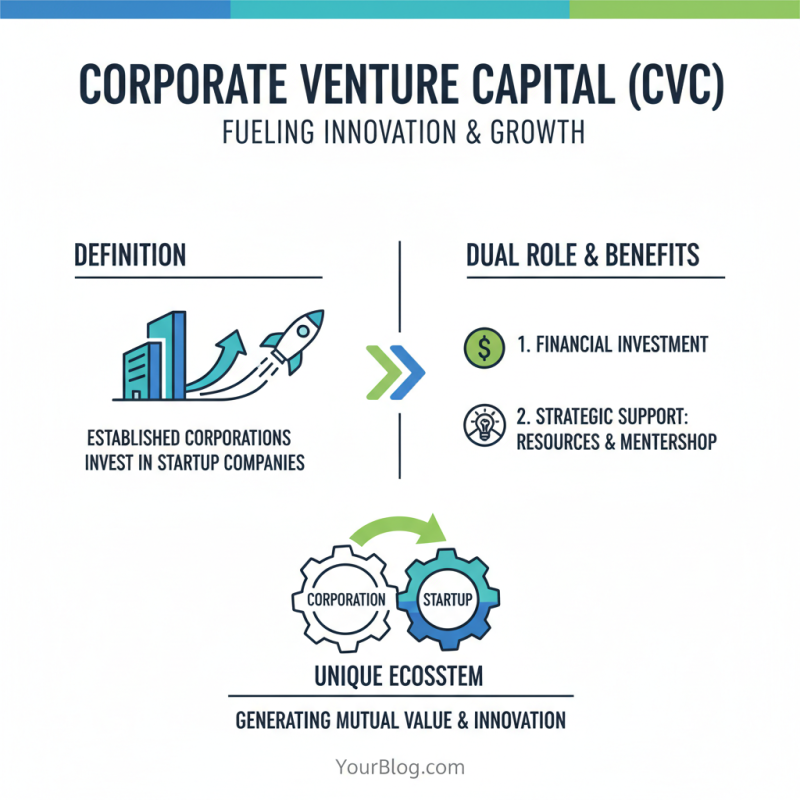
Corporate Venture Capital (CVC) plays a vital role in the business landscape today. It involves established corporations investing in startup companies. These investments are not just financial; they provide startups with resources and mentorship. This dual benefit creates a unique ecosystem.
Understanding CVC requires looking at its objectives. Companies seek innovation and insights that come from working with emerging players. This can foster a collaboration that enhances both parties. Startups gain not only capital but also credibility and access to networks. Yet, the partnership can pose challenges. Misaligned goals between the corporation and the startup may lead to conflicts. Trust must be built over time.
A critical aspect of choosing the right CVC is alignment with your strategic goals. Assess what you want from the partnership. Is it capital, expertise, or market access? Reflecting on these questions can guide your decision. Every relationship should be approached with caution. Be ready to adapt; the nature of innovation is unpredictable. Not all decisions will yield success, and that risk is where growth often lies.
Key Factors to Consider When Selecting a CVC Partner for Your Business
Selecting the right Corporate Venture Capital (CVC) partner is crucial for any business. Research indicates that 70% of startups find strategic partnerships essential for growth. When considering a CVC, alignment in goals is paramount. Your business objectives should resonate with your CVC partner's mission. A mismatch can lead to wasted resources and frustration.
Another factor is the CVC's expertise in your industry. According to a recent report by the National Venture Capital Association, 55% of successful CVC investments come from firms with deep industry knowledge. This expertise can provide not only funding but also invaluable insights. Look for CVC partners who have a proven track record in your sector. Your chances of success increase significantly with the right guidance.
CVCs should also offer strong support networks. Data shows that businesses with robust networks see 40% higher growth rates. A CVC that provides access to experienced mentors and potential customers can be a game-changer. Always assess the level of engagement you can expect. In some cases, partners may lack the bandwidth to dedicate to your needs. This realization could help you choose wisely.
Evaluating the Financial Health and Portfolio of Potential CVCs
When considering a Corporate Venture Capital (CVC) partner, it's crucial to evaluate their financial health. Review their funding history and investment patterns. Are they stable? A strong balance sheet indicates reliability. Look for consistent performance in their financial statements. This will give you confidence in their commitment to your business.
Next, analyze their portfolio. Examine the industries they invest in. Are these aligned with your business focus? A diverse portfolio may signal a broad perspective. However, check for any red flags, such as significant losses or failed investments. These details can highlight areas for deeper reflection. Consider how past investments succeeded or struggled. It's essential to understand their experience with startups similar to yours.
Choosing the right CVC means taking the time to dig deep. Look beyond the surface. Engage with their previous investees. Gather insights on their operational approach. Understanding the nuances of their investment strategy can be enlightening. This process may reveal questions about their long-term vision. Such reflections can guide your decision-making, leading to a partnership that truly fits your needs.
Assessing Strategic Alignment Between Your Business and CVC Interests
Choosing the right Corporate Venture Capital (CVC) requires careful consideration of alignment with your business objectives. This alignment is crucial for success. Assess your long-term strategy and what CVCs can bring to your table. Think about your industry trends and how innovation fits into your goals.
**Tips:** Focus on potential synergies. Identify CVCs that invest in sectors similar to yours. This can enhance collaboration and lead to shared knowledge. Verify their track record in supporting businesses like yours.
Moreover, ensure that the CVC's interests align with yours. Misalignment can create friction and hinder growth. For instance, if your goal is rapid scalability, an Acute Cvc focused on risk-averse investments may not be suitable. Examine their portfolio and approach towards investment. This will shed light on how they align with your ambitions.
**Tips:** Conduct interviews with existing portfolio companies. Ask about their experiences and the CVC's commitment to their vision. Gather as much information as you can to avoid potential mismatches in expectations. Pairing strategic interests with the right CVC can yield excellent results, but it may take time and reflection.
Evaluating Strategic Alignment for CVC Investment
Analyzing Industry Trends and CVC Activity Statistics for Informed Choices
Choosing the right corporate venture capital (CVC) is pivotal for business growth. Recent industry trends reveal a shift in investment strategies. Many CVCs are focusing on sectors like healthcare and technology. This change reflects an evolving landscape that demands adaptability. Understanding these trends can aid businesses in selecting the ideal CVC partners.
Statistics show a rising interest in healthcare-related investments. For instance, CVCs often target innovative sectors like digital health. Companies exploring Infant Cvc concepts find opportunities to thrive. Metrics indicate that savvy businesses are leveraging CVC backing to foster innovation. Still, not every CVC partnership yields success. It's essential to evaluate compatibility beyond financial metrics.
While statistics can guide decisions, reflection is crucial. Each CVC presents unique strengths and weaknesses. Businesses must contemplate their strategic goals against potential CVC attributes. Engaging with multiple stakeholders provides valuable insights. Ultimately, informed decisions stem from thorough research and introspection.
Exploring Case Studies: Successful CVC Collaborations and Their Outcomes
When exploring successful collaborations in corporate venture capital (CVC), case studies reveal valuable insights. One example involved a tech startup partnering with an established financial firm. They aimed to improve digital payment solutions. Challenges arose, including communication gaps and differing goals. However, they adapted and re-evaluated their strategies. This flexibility led to innovative product development and market expansion.
Another case showcased an educational institution collaborating with a healthcare company. They focused on developing training programs for healthcare professionals. Initial meetings were productive but revealed conflicting priorities. The team learned to leverage shared resources and expertise. As a result, they created a comprehensive curriculum. Feedback from participants indicated a significant improvement in skills and confidence.
These examples highlight the importance of alignment in CVC partnerships. The use of Cuffed Cvcs offered additional structure to these collaborations. Nonetheless, not all partnerships thrive. Regular assessments and open communication can help navigate rocky patches. Continuous reflection on successes and failures is vital for long-term success in CVC initiatives.
Identifying Common Pitfalls and Challenges in CVC Partnerships
When businesses consider Corporate Venture Capital (CVC) partnerships, they often overlook potential pitfalls. One common challenge is misalignment in goals between the corporate entity and the startup. Each party usually has different priorities. The corporate partner might seek strategic advantages, while the startup typically aims for rapid growth. This mismatch can lead to frustration on both sides.
Communication gaps can also create hurdles. When expectations are not clearly defined, misunderstandings arise. Regular check-ins could help, but many companies fail to implement them. Moreover, companies sometimes underestimate the cultural differences between themselves and their startup partners. Navigating these differences is critical, yet often neglected.
In the pursuit of Cvc Access, businesses should ensure they have a robust framework in place. This includes a clear understanding of each party's objectives and consistent engagement. Startups crave mentorship, while larger firms need innovation. Without a shared vision, the partnership may stall. A critical reflection on these aspects can pave the way for smoother collaboration.
FAQS
: CVC involves established companies investing in startups, providing both financial support and mentorship.
Startups gain capital, credibility, and access to valuable networks through CVC partnerships.
Startups should evaluate their strategic goals, needed resources, and potential alignment with the CVC's objectives.
A strong financial background can indicate reliability and commitment to supporting your startup in the long run.
Startups should review the CVC’s past investments, focusing on industry alignment and any signs of poor performance.
Misaligned goals between partners can lead to conflicts, requiring trust to be built over time.
Startups should consider what they seek from the partnership, like capital or expertise. Reflection is crucial here.
Engaging with previous investees can reveal the CVC’s operational style and long-term vision.
No, not all partnerships yield success, and reflecting on past failures can highlight potential risks.
The unpredictable nature of innovation requires both parties to be flexible and open to change for success.
Conclusion
Choosing the right Corporate Venture Capital (CVC) partner is crucial for businesses looking to leverage funding and strategic resources. Understanding the role of CVCs involves exploring their definitions and functions, which serve to align financial investments with broader corporate goals. Key factors to consider include evaluating the financial health and portfolio of potential CVCs to ensure their stability and recognizing how their strategic interests align with your business objectives.
Moreover, analyzing industry trends and CVC activity statistics can provide valuable insights for informed decision-making. Exploring successful case studies of CVC collaborations can highlight effective strategies and potential outcomes. However, it's essential to identify common pitfalls and challenges in CVC partnerships, which can help mitigate risks and foster a successful collaboration that benefits all parties involved.