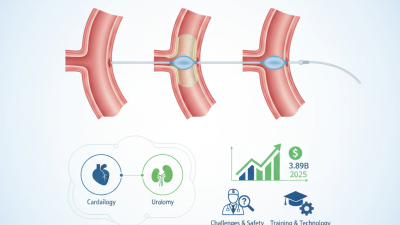
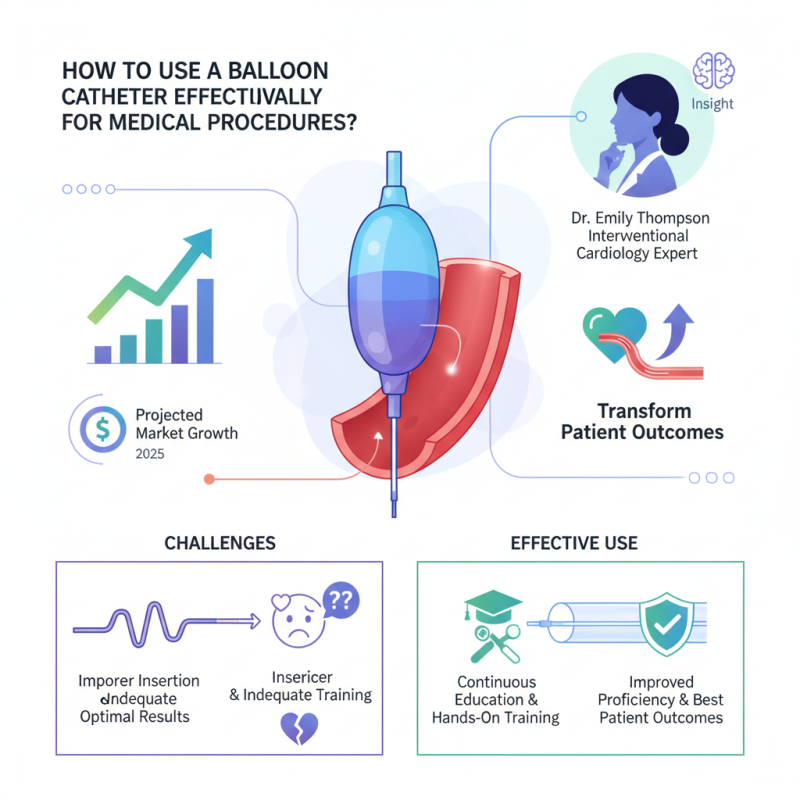
Using a Balloon Catheterhas really become a key part of many medical procedures these days. I read a report from the Medical Device Manufacturers Association (MDMA) that predicts the global market for Balloon Catheters will hit around $3 billion by 2025. That’s pretty huge, right? It just shows how important it is for healthcare providers to really know how to use this technology effectively in the real world.
Dr. Emily Thompson, who’s a pretty well-known figure in interventional cardiology, once said, “The Balloon Catheter can totally change patient outcomes when used the right way.” That comment highlights just how crucial proper technique is if we want to get the best results. Still, even with all its promise, a lot of practitioners struggle a bit with applying it correctly, which can lead to less-than-great outcomes.
Basically, how well a Balloon Catheter works depends a lot on getting the methods right during the procedure. If you don’t insert it properly or if your training isn’t enough, complications can pop up. That’s why ongoing education and hands-on practice are so important—they help healthcare providers get better at using these tools. We really need to close those gaps in training to make sure patients get the best care possible.
Understanding Balloon Catheters: Definition and Types
Balloon catheters play a crucial role in various medical procedures. They are designed to dilate vessels or organs using a balloon. The most common types include the angioplasty balloon catheter and the Pta Balloon Catheter. Each type serves different functions in clinical settings. For instance, angioplasty balloon catheters are primarily used in cardiology to open narrowed arteries. According to recent studies, about 1.4 million angioplasty procedures are performed annually worldwide.
The Pta Balloon Catheter is specifically used in percutaneous transluminal angioplasty (PTA) procedures. It helps restore blood flow in obstructed arteries. The catheter can be tracked easily through the vessel with minimal invasiveness. However, complications can arise, such as arterial rupture or restenosis. Research indicates that up to 30% of patients may experience restenosis after PTA. Underlying factors such as vessel elasticity and plaque morphology must be considered.
Effective use of balloon catheters requires understanding their limitations. While they provide advancements in medical interventions, improper technique can lead to adverse outcomes. Continuous training and awareness of catheter selection are paramount. Not all situations may demand a balloon catheter, and practitioners must reflect on each case critically. Balancing the benefits and risks is essential for optimal patient care.
How to Use a Balloon Catheter Effectively for Medical Procedures?
| Type of Balloon Catheter | Use in Medical Procedures | Size (Fr) | Balloon Volume (mL) | Materials |
| Uretheral Balloon Catheter | Used for bladder drainage and urinary retention | 12-18 Fr | 5-30 mL | Latex or Silicone |
| Angioplasty Balloon Catheter | Used to widen narrowed or obstructed arteries | 5-12 Fr | 1-5 mL | Polymer or Nylon |
| Balloon Occlusion Catheter | Used for controlling blood flow during surgical procedures | 7-10 Fr | 3-10 mL | Silicone or Polyurethane |
| Esophageal Balloon Catheter | Used for treating esophageal varices | 14-20 Fr | 30-50 mL | Latex or PVC |
Indications for Balloon Catheter Use in Various Medical Procedures
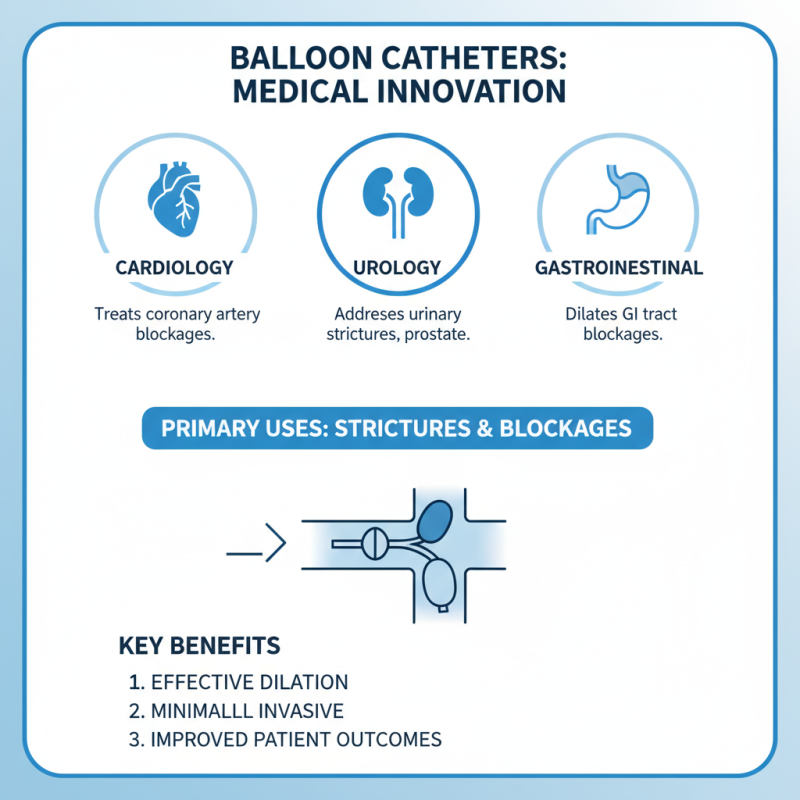
Balloon catheters are essential tools in various medical procedures. They are used in urology, cardiology, and gastrointestinal interventions. This device can help treat strictures and blockages effectively. Medical professionals recognize the indications for using balloon catheters to maximize patient outcomes.
For urinary conditions, balloon catheters are particularly useful. They can relieve obstructions in the urethra and bladder. This facilitates better urine flow. In cardiology, these catheters can dilate narrowed arteries. This process improves blood circulation. It's crucial to assess the patient's condition before proceeding. Not all patients will respond the same way.
Tips for effective use include the following: Always ensure proper sizing of the catheter. A mismatch can lead to complications. Monitoring patient vitals during the procedure is vital too. It helps detect any adverse reactions early. Post-procedure care is equally important. Patients may experience discomfort, so providing clear recovery guidance is essential.
Step-by-Step Technique for Inserting a Balloon Catheter Safely
Inserting a balloon catheter requires precision and care. Begin by gathering all necessary equipment. Sterile gloves are important. Prepare the area by cleaning it thoroughly. Use an antiseptic solution for the best results. Assess the patient's comfort and explain the procedure to gain their trust.
Next, gently insert the catheter. Aim for a smooth entry. Watch for any resistance. If encountered, pause and reassess. It's crucial to avoid forceful insertion. Inflate the balloon once positioned correctly. Ensure it is secure, but not over-inflated. Monitor the patient closely during this stage.
After insertion, check for any adverse reactions. Listen to the patient's feedback. Proper placement is essential, but so is reflecting on what could be improved. Documentation of the procedure aids in future training for staff. Small adjustments can lead to better outcomes. Inserting a balloon catheter is a skill that benefits from practice and observation.
Monitoring and Managing Complications During Balloon Catheter Use
Monitoring complications during balloon catheter use is crucial for patient safety. Balloon catheters, like the Ptca Balloon Catheter, are commonly employed in various medical procedures. However, practitioners must be vigilant about potential complications. These include vessel perforation, thrombosis, and infection. Recognizing these issues early can significantly improve outcomes.
Understanding the signs of complications is essential. Patients may experience sudden pain or swelling. Monitoring vital signs can help identify issues quickly. If a patient develops unusual symptoms, intervene immediately. It’s crucial to maintain open communication with the patient. They should feel comfortable reporting any discomfort.
Despite best practices, complications may still arise. Reflection on why these issues occurred is necessary. Perhaps it was due to technique or equipment malfunction. Continuous training can sharpen skills and improve outcomes. Regularly revisiting protocols ensures that all team members are well-prepared. Effective management of complications will lead to better overall patient care.
Post-Procedure Care and Follow-Up for Patients with Balloon Catheters
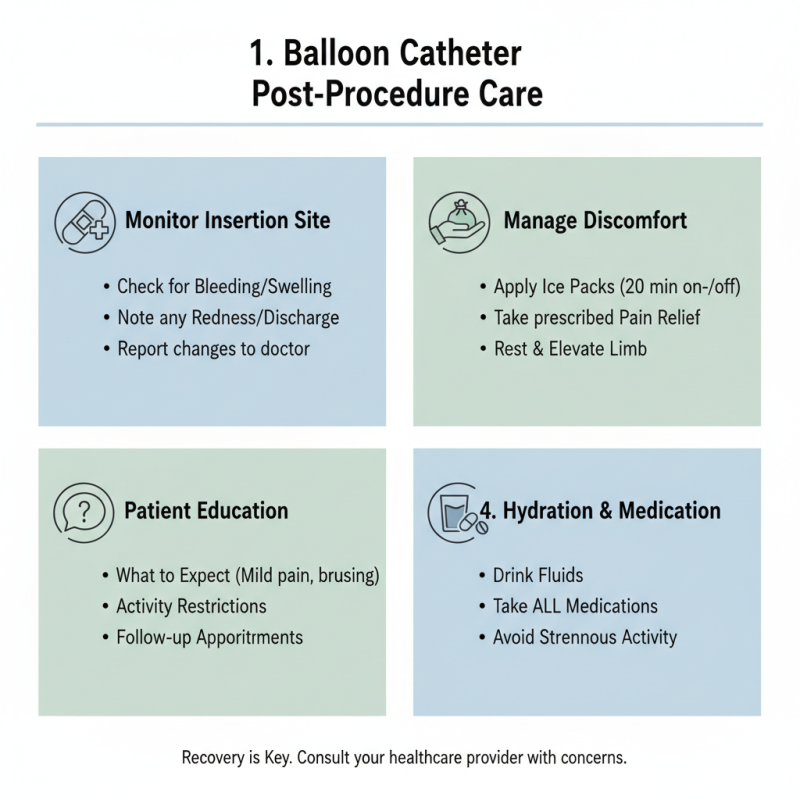
Post-procedure care for patients with balloon catheters is crucial for recovery. Patients may experience discomfort or minor bleeding at the insertion site. It's important to monitor these areas closely. Using ice packs can help reduce swelling. It’s vital to educate patients about what to expect.
Follow-up appointments are essential. Encourage patients to voice any concerns. Some might worry about the catheter itself. Others may be anxious about possible complications. Keep communication open. Ensure patients understand the signs of infection.
For those using a Scoring Balloon Catheter, being aware of its specific care requirements is necessary. Patients should retain their activity levels but avoid strenuous exercise. A gentle routine is ideal. Remind them to stay hydrated and maintain a healthy diet. This aids in the healing process and promotes overall wellness.
Professional Guidelines and Best Practices for Balloon Catheterization
Balloon catheterization is a crucial procedure in various medical settings. To ensure its effectiveness, adherence to professional guidelines is essential. According to the American Institute of Medical Instrumentation, properly selecting the catheter size is vital. A poorly sized catheter can lead to complications or ineffective treatment. Studies reveal that 30% of catheter-related infections occur due to improper insertion techniques.
Patient assessment plays an important role too. Healthcare providers must evaluate the patient’s anatomy and potential risks. Factors like age, sex, and underlying conditions can influence the procedure's success. Inadequate training also poses risks. Reports indicate that 25% of medical professionals report feeling unprepared for balloon catheterization. Hands-on training and simulation can bridge this gap.
Once the procedure begins, maintaining a sterile environment is crucial. A clean site minimizes infection risks. The Center for Disease Control emphasizes that up to 33% of healthcare-associated infections stem from inadequate sterile practices. Additionally, proper inflation technique is necessary. Over-inflating can cause tissue damage, while under-inflating may not achieve desired outcomes. Regular audits of catheterization practices are necessary for continuous improvement.
Balloon Catheter Utilization in Medical Procedures
Recent Advances and Innovations in Balloon Catheter Technology
Recent advancements in balloon catheter technology have revolutionized medical procedures. New designs enhance precision and effectiveness. A study by the American Journal of Cardiology reported that modern balloon catheters improve dilation rates by 30% compared to older models. This is crucial for treating blockages in various arteries. The development of the Cutting Balloon Catheter allows for safer and more controlled dilation.
Tips: Ensure proper sizing of the catheter. This can greatly influence the success of the procedure. Always assess patient-specific anatomy before selection. Remember, the learning curve is steep. Regular training sessions on new technologies can mitigate errors and improve outcomes.
Another significant innovation is the integration of imaging technology. This enables real-time visualization during procedures. A report from the Journal of Vascular Surgery notes that using imaging can reduce procedural complications by 25%. However, many practitioners still rely on traditional methods. This can lead to missed opportunities for improved care. Balancing innovation and experience is essential.
Comprehensive Guide to Peritoneal Dialysis Catheters: Selection, Benefits, and Care Tips
Peritoneal Dialysis (PD) is a highly effective treatment option for individuals diagnosed with kidney failure. This therapy utilizes the peritoneum, the lining of the abdomen, to filter waste and excess fluids from the bloodstream. Unlike hemodialysis, which typically occurs in a clinic, PD can be performed comfortably at home. This home-based option not only provides greater flexibility in scheduling but also allows patients to maintain a more independent lifestyle while managing their kidney health.
A crucial component of the PD process is the Peritoneal Dialysis Catheter. This flexible tube is surgically implanted in the abdomen and serves as the access point for the dialysis fluid, known as dialysate. The catheter is designed to introduce this fluid into the peritoneal cavity and remove it once the dialysis process is complete. When selecting a catheter, it is essential to consider factors such as comfort, ease of use, and infection risk. Proper care of the catheter is paramount to ensure its functionality and to prevent complications such as infections or blockages.
To optimize the benefits of PD, patients should be educated on the proper maintenance and care of their catheters. This includes following sterilization protocols during the connection and disconnection processes, monitoring for any signs of infection, and regularly consulting with healthcare providers for guidance. By taking these precautions, patients can effectively manage their treatment and improve their quality of life while undergoing peritoneal dialysis.
FAQS
: The product aims to enhance daily convenience. It often provides practical solutions for common tasks.
Follow the guidelines provided. Pay attention to the specific instructions for best results.
Yes, some users report confusion with the setup. Misunderstandings can lead to improper use.
Read the user manual thoroughly. Watching tutorial videos can also offer clarity.
Check the power source first. Restarting it may resolve minor issues.
Yes, but consider the conditions. Extreme temperatures can affect performance.
Conclusion
The article "How to Use a Balloon Catheter Effectively for Medical Procedures" provides a comprehensive overview of balloon catheters, detailing their definitions, types, and various clinical indications. It outlines a step-by-step technique for the safe insertion of a balloon catheter, emphasizing the importance of proper procedures to minimize risks. The content also addresses monitoring and managing potential complications that may arise during the use of balloon catheters, as well as the necessary post-procedure care and follow-up for patients.
Additionally, the article highlights professional guidelines and best practices to ensure effective balloon catheterization, while also discussing recent advancements and innovations in balloon catheter technology. This thorough exploration ensures that healthcare professionals are well-equipped to utilize balloon catheters effectively in a variety of medical contexts, ultimately improving patient outcomes.