News & Trends






01
Precision Hemostasis, One-Hand Control – The Safety Guardian in Vascular Interventional Procedures
2026-05-29
In vascular interventional procedures, every advancement and withdrawal of a catheter or guidewire carries potential risks of bleeding and air embolism. How can we achieve precision hemostasis and rapid response without compromising procedural efficiency? This is the real-world challenge faced by every interventional physician.
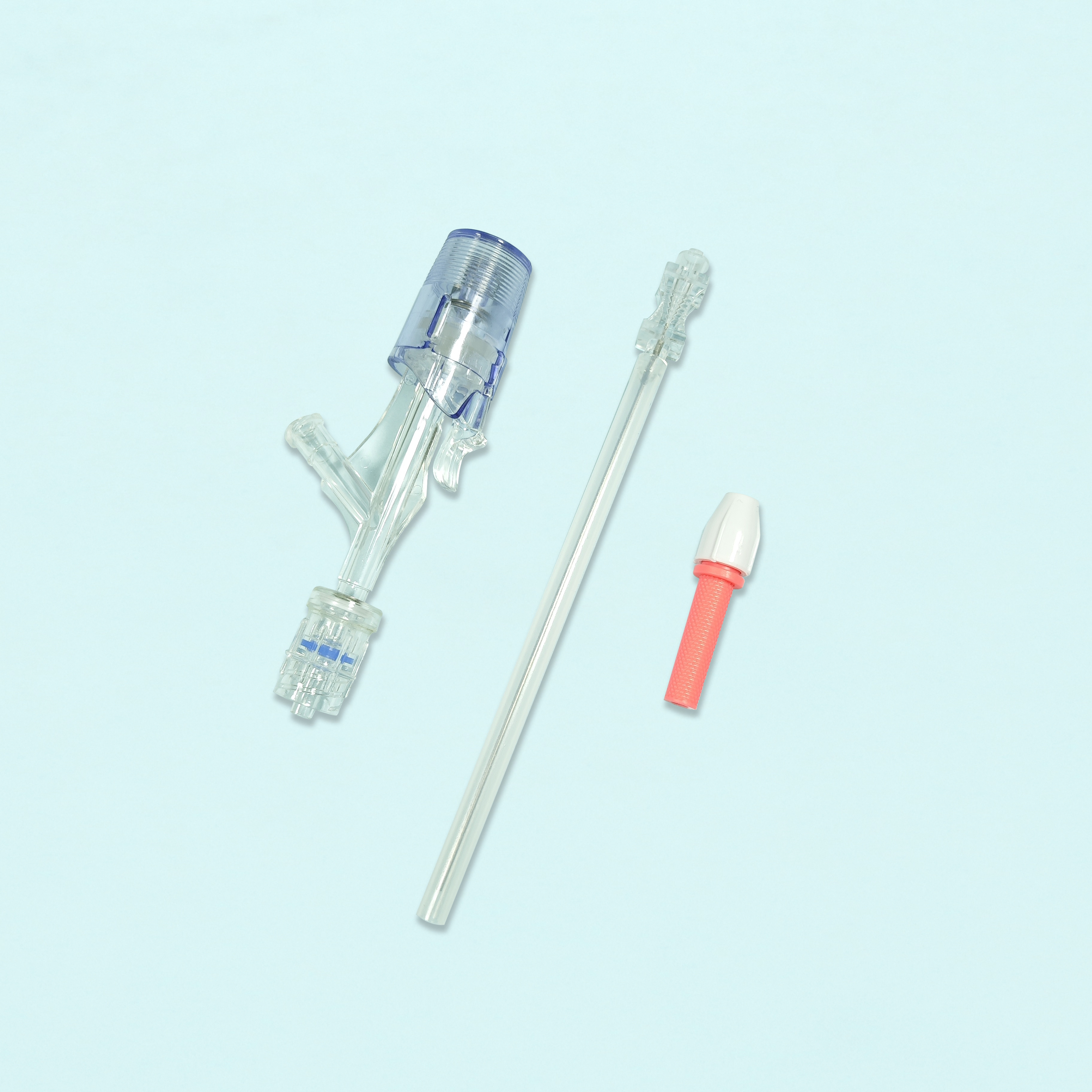
Currently, hemostasis valves have evolved from the initial screw-type design to more advanced push-button or push-pull designs, aiming to reduce intraoperative bleeding and improve operational efficiency.
Precision Hemostasis: Every Seal You Can Trust
Hemostasis valves currently available on the market are primarily classified according to their sealing mechanisms as follows:
● Prevent blood leakage: When catheters and guidewires pass through, the sealing element must conform tightly to the instrument surface to create an effective seal
● Prevent air entry: When no instrument is present, the valve must automatically close to eliminate the risk of gas embolism.
The core sealing element of modern hemostasis valves is manufactured from high-elasticity medical-grade silicone. The unique advantages of this material are:
No instrument passing: Sealing element automatically closes
Instrument passing: Sealing element conforms tightly to instrument surface
High-pressure contrast injection: Main valve fully closed
"Precision hemostasis" means: regardless of the instrument state, the hemostasis valve provides reliable, consistent sealing performance. This reliability is the fundamental basis for procedural safety.
One-Hand Control: The Perfect Balance of Efficiency and Safety
Traditional screw-type hemostasis valves require multiple rotations to open or close, resulting in slow response and an increased risk of blood leakage if improperly adjusted during instrument exchange. Modern one-button push or push-pull type hemostasis valves have completely transformed this landscape:
● Instant one-hand operation: Press or push/pull the button/plunger on top of the valve for rapid opening and closing of the seal
● Significantly faster response: Eliminates multiple rotations, substantially reducing handling time
● Reduced intraoperative blood loss: Minimizes blood backflow during saline flushing when rapidly exchanging instruments
The Segmented Y-Valve takes this a step further:
● Designed with preset physical detents (fully open, partially open, fully closed)
● The "partially open" fine-tuning function allows instrument movement while maintaining a degree of sealing
● Provides clear tactile feedback for blind operation to determine valve status
● Particularly suitable for procedures requiring fine control, such as neurointerventions
The value of "one-hand control" extends far beyond convenience – it means:
● The operator can focus more on instrument handling rather than valve adjustment
● Reduced blood loss due to delayed response
● Less reliance on assistants, improving procedural efficiency
Why Is It Called a "Safety Guardian"?
In vascular intervention surgery, safety is a non-negotiable bottom line. The hemostasis valve kit comprehensively safeguards the safety of both patients and surgeons through the following design dimensions:
1. Visibility: No Hiding Place for Hidden Dangers
The valve body is manufactured from transparent medical-grade plastic (e.g., polycarbonate) , allowing the operator to directly observe:
● Whether air bubbles have entered
● Any blood backflow or thrombus formation
●Whether the seal status is normal
The transparent design enables problems to be identified and addressed at the earliest opportunity, preventing complications from developing.
2. Multi-Function Integration: One Valve for Multiple Uses
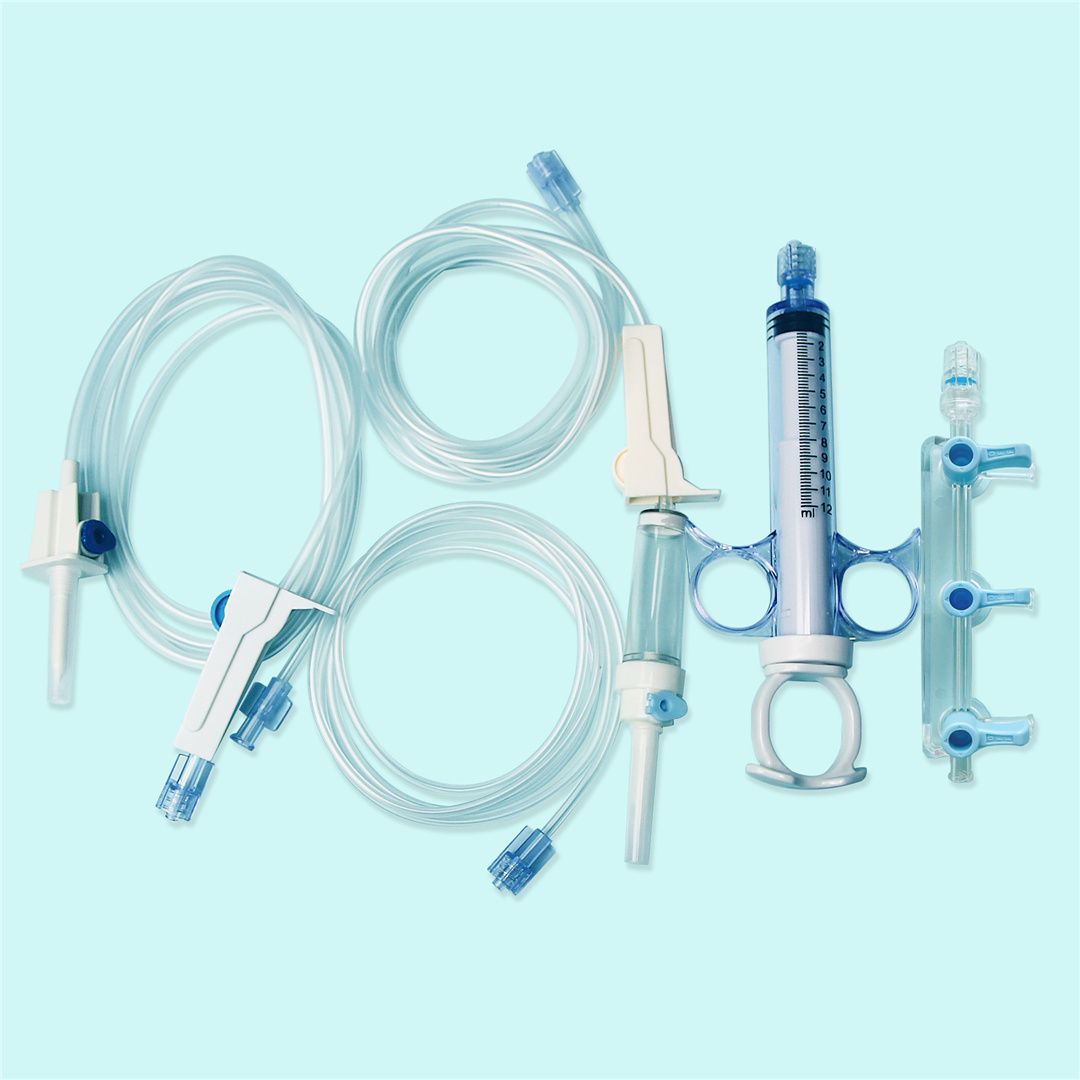
A standard hemostasis valve set integrates:
● Y-shaped body: Main channel for instrument access, side channel for fluid access
● Side tubing and three-way stopcock: Enables continuous infusion of heparinized saline, pressure monitoring, contrast injection, and other functions
A single device meets multiple intraoperative needs, reducing the number of connections and the risk of contamination and disconnection.
3. Biocompatibility: Safety by Design
The product is manufactured from latex-free materials and undergoes rigorous biocompatibility testing (e.g., USP Class VI standards), ensuring:
● No toxic reactions upon contact with blood and tissue
● Reduced risk of allergic reactions
● Compliance with safety requirements for long-term indwelling
Clinical Applications
● Hemostasis valves are widely used in various departments requiring vascular interventional diagnosis and treatment, including cardiology (PCI procedures), neurosurgery (neurointerventions), and interventional radiology.
● During a procedure, the physician continuously infuses heparinized saline through the side port, which not only prevents thrombus formation but also allows observation for air bubbles through the transparent valve body. When high-pressure contrast injection is required, the main valve seal must be completely closed to prevent leakage.
Disclaimer: This article is for medical popularization, purposes only and does not constitute professional medical advice. Please always follow the diagnosis and treatment plans provided by your treating physician.