News & Trends




01
Tianck Peritoneal Dialysis Catheter Product Introduction
2026-04-24
Tianck focuses on the field of peritoneal dialysis for end-stage renal disease, offering a range of peritoneal Dialysis Catheters designed around safety, patency, and long-term catheter survival. All catheters are made of medical-grade silicone and feature a double-cuff antibacterial barrier, suitable for various implantation techniques and patient conditions.
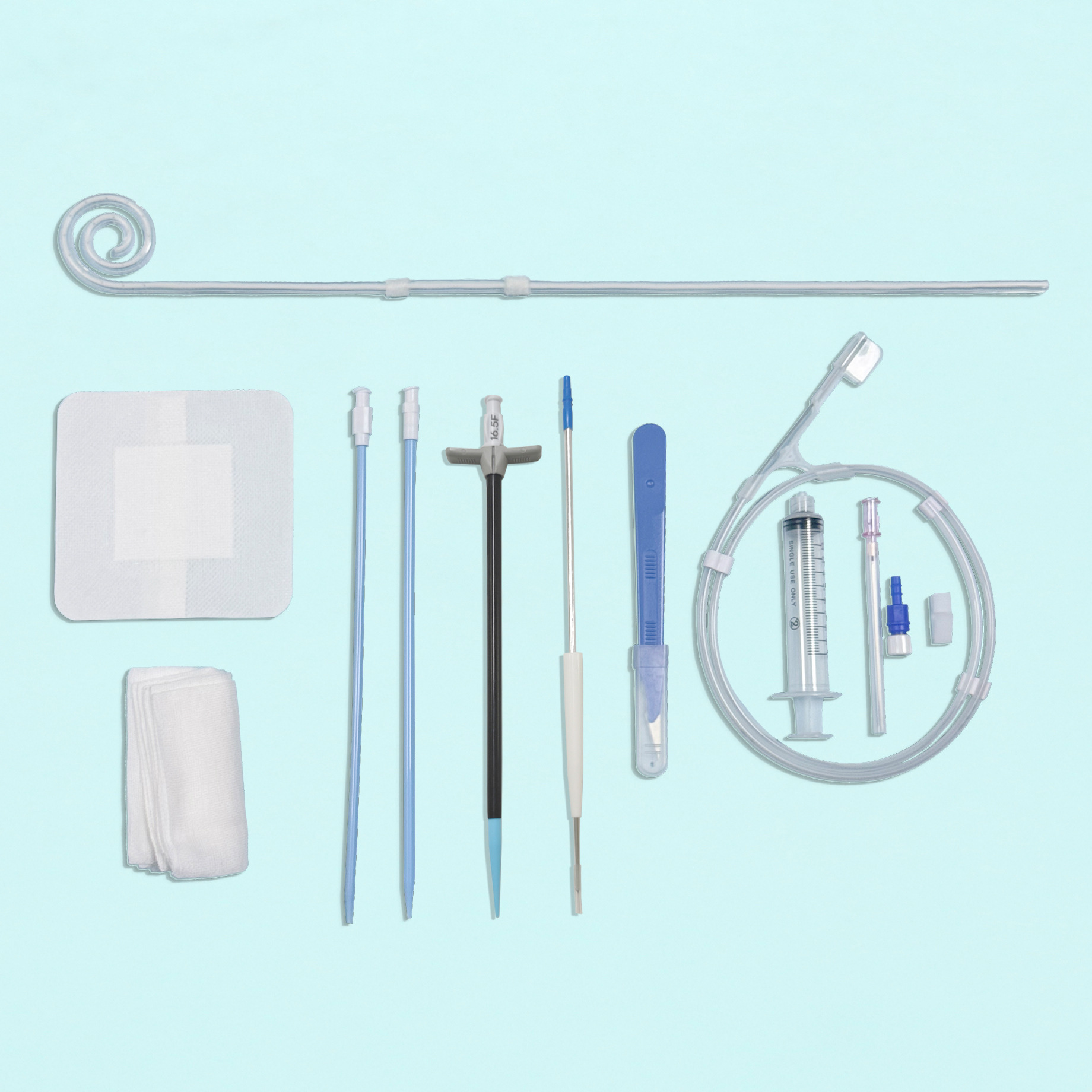
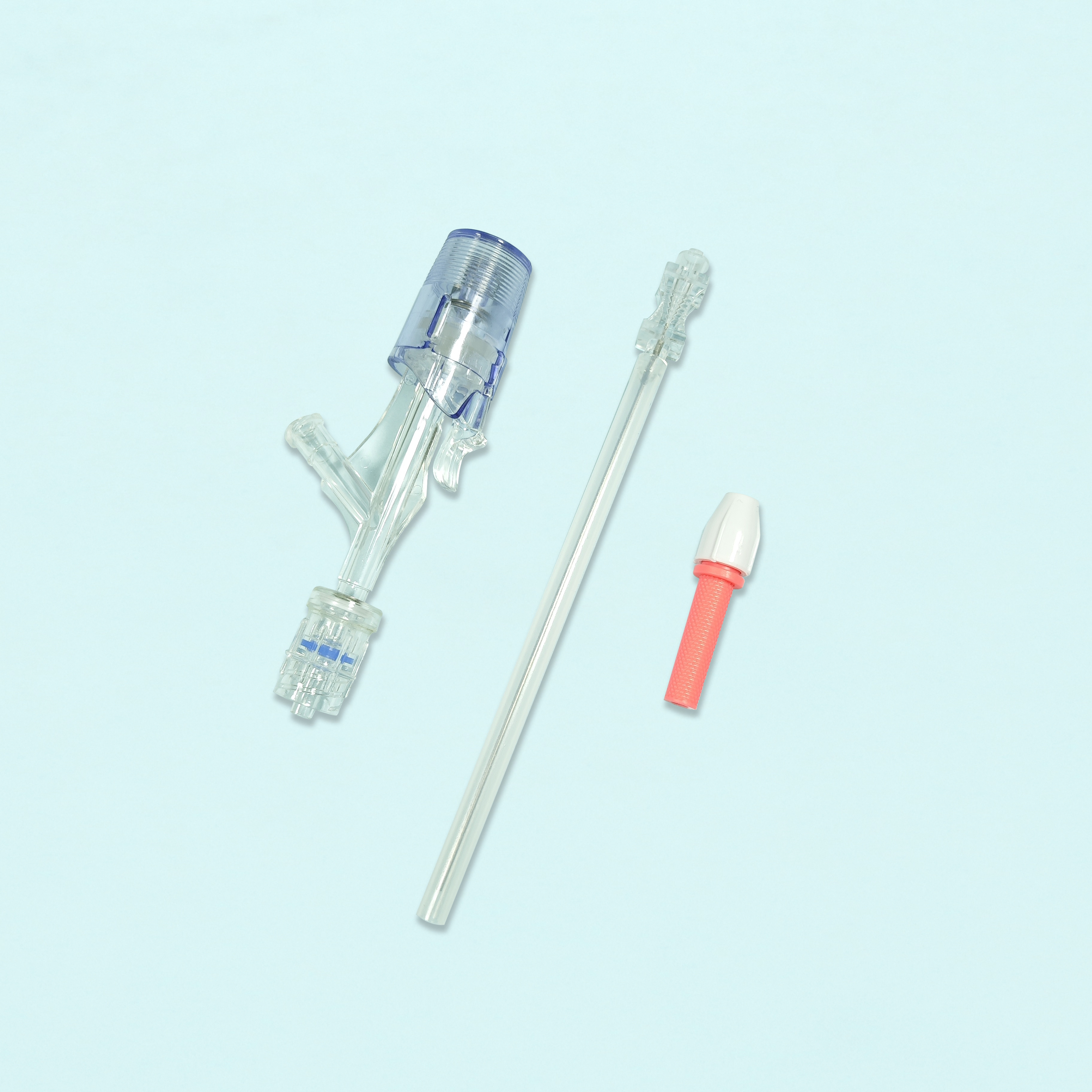
I. Tianck Complete Set (Percutaneous Puncture Type)
Product Overview
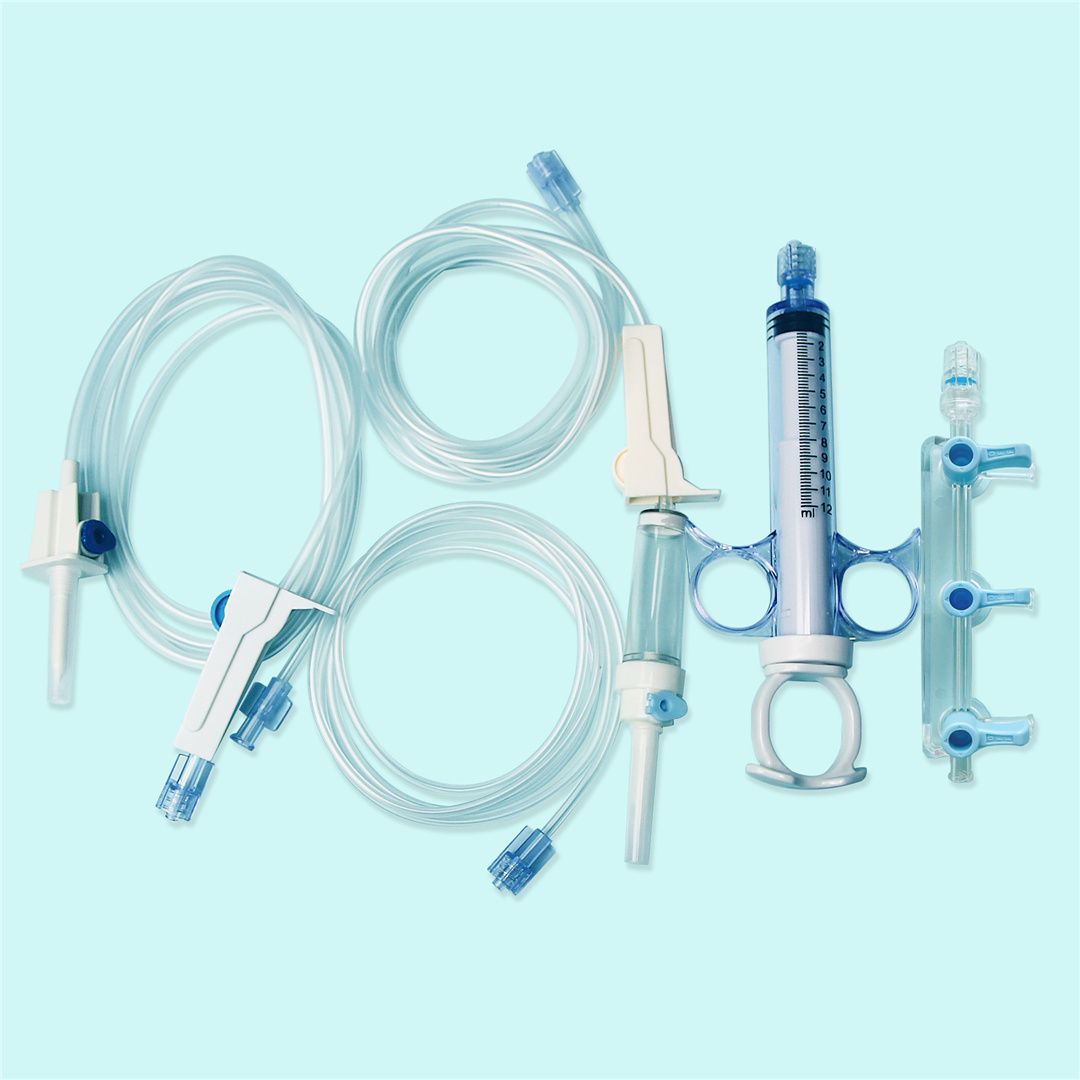
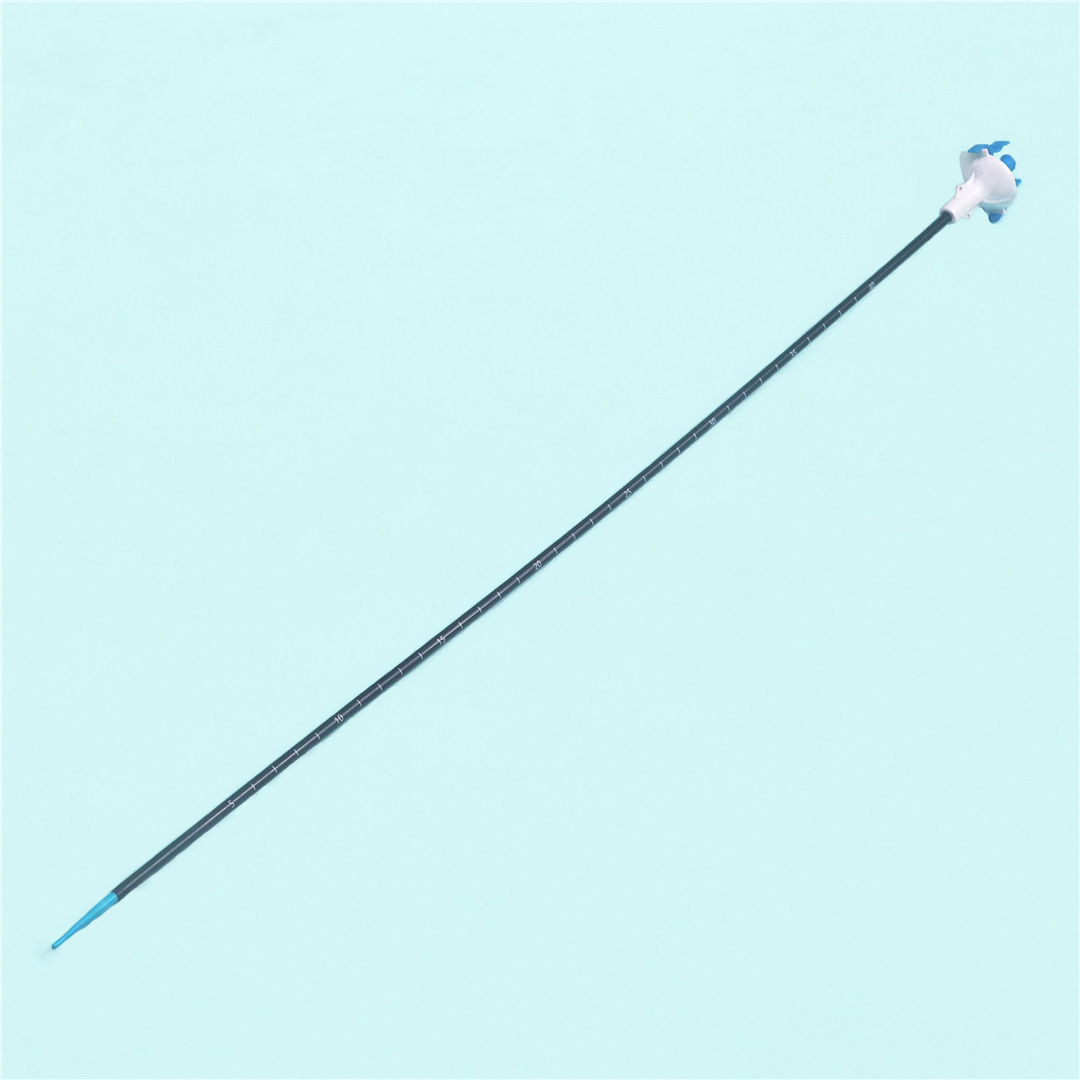
A sterile, all-in-one kit that includes the Tianck peritoneal dialysis catheter and a full set of percutaneous puncture instruments. Ready for immediate use, it is specifically designed for minimally invasive catheter implantation.
Key Features
● Simplified Procedure: Pre-assembled components (puncture needle, guidewire, dilator, tunneler, catheter) reduce preparation time and intraoperative steps.
● Minimally Invasive Implantation: Utilizes percutaneous puncture technique with an incision of only 1-2 cm, eliminating the need for open surgery, resulting in less trauma and postoperative pain.
● Shortened Healing Period: Reduced abdominal wall injury allows for dialysis initiation 1-2 weeks post-procedure (compared to 2-4 weeks for traditional open surgery).
● Comprehensive Specifications: Available in both straight and coiled (swan neck) configurations, with catheter lengths covering pediatric to adult populations.
Indications
● Dialysis centers performing initial catheter implantations, especially at primary hospitals
● Patients requiring urgent-start dialysis
● Patients with a history of abdominal surgery or contraindications to open surgery
II. Tianck Coiled (Swan Neck) Catheter
Product Overview

A modified version of the classic Tenckhoff design featuring a naturally coiled tip. It is currently the most widely used catheter type in clinical practice.
Key Features
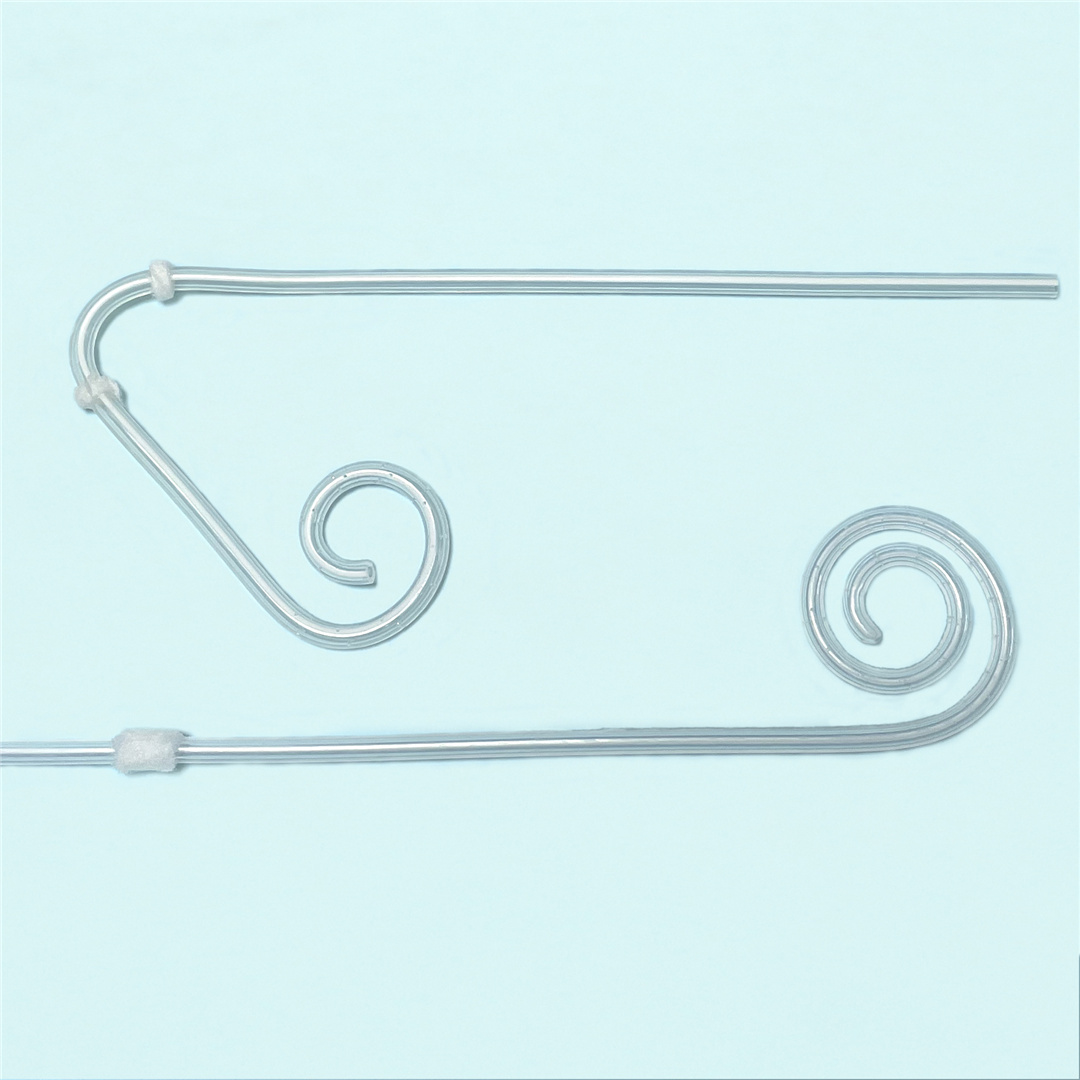
● Coiled Tip Design: The naturally coiled tip stabilizes the catheter in the pelvic gutter, effectively reducing the risk of catheter migration ("wandering catheter").
● Diffuse Inflow: Dialysate flows into the peritoneal cavity through multiple Side Holes on the coiled segment, minimizing inflow pain caused by direct fluid jet impingement on the peritoneum.
● Adequate Drainage: The coiled structure helps prevent omental wrapping of the catheter tip, maintaining outflow patency.
● Double Cuffs: One subcutaneous and one fascial cuff. Tissue ingrowth creates a dual barrier against infection, reducing exit-site and tunnel infections.
Indications
● Patients undergoing standard initial catheter implantation
● Patients concerned about catheter migration or inflow pain
● Most routine peritoneal dialysis populations
III. Tianck Straight Catheter
Product Overview
A classic straight-line design with a simple structure and straightforward implantation, suitable for specific clinical scenarios.
● Simple Structure: No curved segments, resulting in low implantation resistance and a simplified procedure.
● Smooth Implantation: Suitable for patients with thin abdominal walls and favorable anatomy.
● Cost-Effective: Mature manufacturing process offers high value for money.
● Double Cuffs: Equipped with double Dacron cuffs to ensure infection control capability.
Indications
● Patients with thin abdominal walls and no history of abdominal surgery
● Patients requiring urgent-start dialysis with rapid access establishment
● Economically driven treatment needs
IV. Tianck Double-Lumen Catheter
Product Overview
A redundant-design catheter featuring two independent lumens. It is specifically designed for patients at high risk of catheter obstruction, providing a "dual-pathway" safety guarantee.
Key Features
● Independent Dual-Lumen Drainage: The intra-abdominal segment contains two completely independent drainage lumens. If one lumen becomes occluded, the other can maintain dialysis.
● Reduced Pressure Fluctuations: Ex vivo studies confirm superior fluid exchange efficiency under partial occlusion conditions compared to single-lumen catheters.
● Reduced Reoperation Rate: Provides a buffer period in the event of single-lumen occlusion, potentially avoiding emergency surgery due to acute catheter failure.
● Unchanged Outer Diameter: The overall outer diameter matches traditional single-lumen catheters, ensuring compatibility with existing implantation techniques and tunneling instruments.
Indications
● Patients with hypercoagulable states or a tendency to form fibrin clots
● Patients with a history of recurrent catheter obstruction
● Transitional needs during switching between peritoneal dialysis and hemodialysis
V. Common Technical Features (All Series)
● Medical-Grade Silicone:High biocompatibility; long-term indwell without peritoneal irritation or induction of peritoneal sclerosis
● Double Dacron Cuffs:Tissue ingrowth creates two bacterial barriers, reducing the risk of exit-site and tunnel infections
● Barium Sulfate Radiopacity:Catheter body contains a radiopaque line/stripe for clear X-ray visualization, facilitating postoperative positioning and detection of migration
● Multiple Side Holes:Multiple side holes at the distal segment ensure uniform and adequate inflow and outflow
Disclaimer: This article is for medical popularization, purposes only and does not constitute professional medical advice. Please always follow the diagnosis and treatment plans provided by your treating physician.