
Leave Your Message

Blog

Why is Central Venous Catheter Important in Medical Treatment?

Why is Central Venous Catheter Important in Medical Treatment?

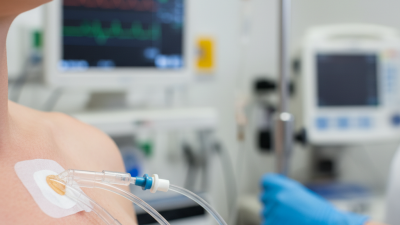
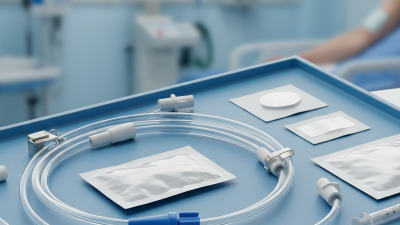
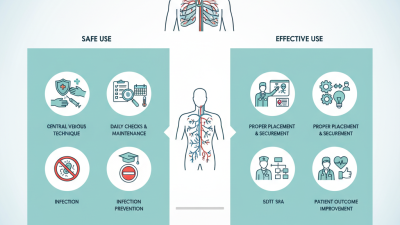
Using a Central Venous Catheter, or CVC, is pretty much a critical part of medical treatment for lots of patients. These little devices are key when it comes to delivering meds, fluids, or nutrients straight into the bloodstream — kind of a lifeline in many cases. Interestingly, according to the Healthcare Cost and Utilization Project (HCUP), around 5 million CVCs are inserted every year just in the U.S. That really shows how important they are in all sorts of healthcare settings — whether it’s in intensive care or for long-term treatments. What’s great about CVCs is that they not only help get the job done efficiently but also make things a bit more comfortable for patients. Instead of getting poked multiple times with needles, a single CVC can cut down on pain and reduce some of the stress patients often feel. But, and here’s the thing, they’re not perfect — complications can pop up. Some reports suggest that about 15% of CVC insertions can lead to infections, which is definitely something healthcare providers need to be mindful of. It really highlights the importance of proper care and strict protocols to keep patients safe. All in all, Central Venous Catheters are a really valuable tool in modern medicine. They bring a lot of benefits but come with their own set of challenges, so it’s crucial for healthcare pros to stay vigilant. Understanding both the good and the risks helps us make sure patients get the best and safest care possible.
Read more »
Emma By:Emma - February 3, 2026
Ureteral Introducer Sheath Essential Tips for Effective Use

Ureteral Introducer Sheath Essential Tips for Effective Use

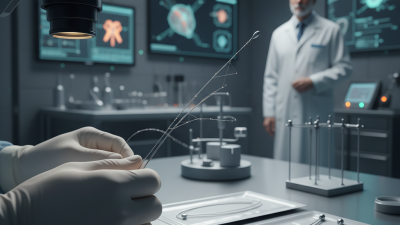
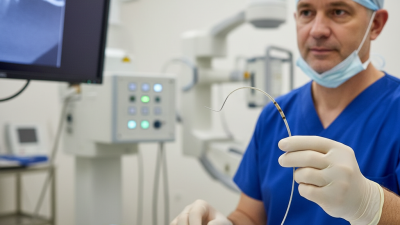
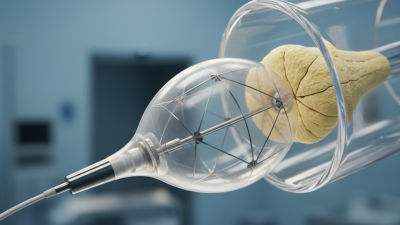
Lately, the Ureteral Introducer Sheath is really becoming a game-changer in urological procedures. I mean, according to the American Urological Association, using these devices properly can seriously boost the success of surgeries. Dr. Emily Turner from Precision Medical puts it nicely: "Getting the hang of the Ureteral Introducer Sheath can really make a difference, especially in those tricky, complex interventions." That said, not everyone finds it super easy to use. There’s definitely a bit of a learning curve. You’ve got to pay close attention to your technique; a bad insertion can cause complications and make things more complicated than they need to be. Some reports even suggest that nearly 20% of adverse events happen because of improper use. So, understanding the ins and outs of the sheath’s design—like its size, curvature, and how it’s meant to fit—is pretty much essential for better outcomes. And honestly, it’s all about paying attention to the small details. The more familiar we are with the product specs and how it works, the less we risk messing up. Continuous learning is key here. Many experts actually suggest doing simulation training—we’re talking hands-on practice—so that practitioners can get comfortable handling it safely. The more we invest in understanding this tool, the better results we’ll see with our patients. It’s all about staying ahead of the curve and making sure we’re doing our best every time.
Read more »
Liam By:Liam - January 17, 2026